Understanding Memory Care and Assisted Living: Key Differences and Unique Benefits
Choosing between memory care and assisted living can be challenging. Many families face confusion when trying to support loved ones dealing with cognition issues. This article will clarify the key differences between memory care and assisted living, highlighting unique benefits such as specialized therapy and tailored activities of daily living. By the end, you will understand which option best meets the needs of individuals with dementia, enabling you to make an informed decision that enhances their quality of life.
Key Takeaways
- Memory care focuses on specialized services for those with dementia or Alzheimer’s
- Safety and engagement activities are crucial in memory care communities
- Financial considerations vary significantly between memory care and assisted living options
- Staff training in memory care is tailored to address cognitive impairments and behavioral challenges
- Fostering social connections enhances emotional well-being for residents in both care settings
Understanding the Concept of Memory Care and Assisted Living
When considering memory care and assisted living, it becomes clear that both options serve vital roles in supporting individuals with varying health needs. Memory care primarily focuses on residents living with dementia or Alzheimer’s, providing specialized services that cater to their unique requirements. In contrast, assisted living offers a broader range of support for those who may need help with daily activities but do not have significant memory challenges.
The differences between memory care and assisted living are significant, especially in the level of care provided. Memory care communities emphasize safety and dementia-specific activities to enhance cognitive function, while assisted living facilitates general health support. Understanding these distinctions helps families make informed decisions based on their loved ones’ specific health conditions.
Insurance coverage can significantly differ between these two types of communities. Generally, Medicare does not provide coverage for long-term care in assisted living or memory care facilities. Many families might benefit from exploring private insurance options or Medicaid, which may offer financial assistance, especially for specialized memory care services.
Choosing between memory care vs assisted living should involve examining not only the services offered but also the community environment. A supportive community can improve residents’ quality of life, ensuring they remain engaged and active. Ultimately, assessing both options with a clear understanding of their benefits is essential for making the best choice for your loved one.
Pricing vs Value: Why You Shouldn’t Choose Senior Care Based on Price Alone
Find a Memory Care Community Near You
Clarifying Key Differences Between Memory Care and Assisted Living
In comparing memory care and assisted living, it is essential to address several key factors. These include safety protocols and security measures that prioritize residents’ well-being, along with staff qualifications and training specific to memory care. Additionally, examining activity and engagement opportunities, comparing amenities and living arrangements, and considering the financial implications for families can significantly impact the quality of life for loved ones. Understanding these aspects will guide families in making informed decisions about appropriate health care options.
Safety Protocols and Security Measures in Memory Care
Safety protocols and security measures in memory care facilities are paramount for ensuring the well-being of residents. These communities often implement specialized monitoring systems to prevent wandering, which is a common concern for individuals living with dementia. Additionally, staff members are usually trained in crisis intervention and effective communication techniques, allowing them to manage challenging situations while providing compassionate care. This level of support significantly differs from what is typically found in assisted living or nursing homes, where the focus may not be as intense on these specific safety concerns.
Moreover, medication management in memory care is meticulously monitored to prevent errors and ensure residents receive the correct dosage at the right times. This careful approach may include working closely with healthcare providers and utilizing medication management systems, which can be crucial for individuals with cognitive impairments. Families often find comfort in knowing that memory care communities prioritize these safety measures, alongside offering engaging exercise programs designed specifically for residents, promoting both physical and mental health. Understanding these safety protocols can help families make informed decisions when considering options such as Medicaid for financial support.
Staff Qualifications and Training Specific to Memory Care
Staff qualifications and training specific to memory care are critical in ensuring proper support for individuals with cognitive impairments. Caregivers in these facilities often undergo specialized training that equips them with the skills to handle unique behaviors associated with dementia and Alzheimer’s. This may include techniques for promoting effective communication and managing challenging situations, alongside understanding the role of music therapy in enhancing brain function. For instance, caregivers may use music as a tool to soothe anxiety and trigger memories, demonstrating their knowledge of therapeutic approaches to care.
Moreover, memory care staff often receive ongoing education about the latest research and best practices in the field. This commitment to professional development ensures that they remain informed about innovative interventions that can significantly improve residents’ quality of life. For example, they may implement structured activities that integrate music into daily routines, not only to foster engagement but also to stimulate cognitive abilities. Families can take comfort in knowing that well-trained staff prioritize emotional well-being alongside physical health, leading to enhanced outcomes for their loved ones:
| Aspect | Memory Care | Assisted Living |
|---|---|---|
| Staff Training | Specialized in dementia and Alzheimer’s care; includes music therapy | General support for daily activities; less focus on cognitive issues |
| Behavior Management | Trained in managing specific behaviors and communication challenges | Focus on overall health and routine assistance |
| Engagement Activities | Music therapy, arts, and memory-focused programs | Variety of social and recreational activities |
Activity and Engagement Differences in Both Settings
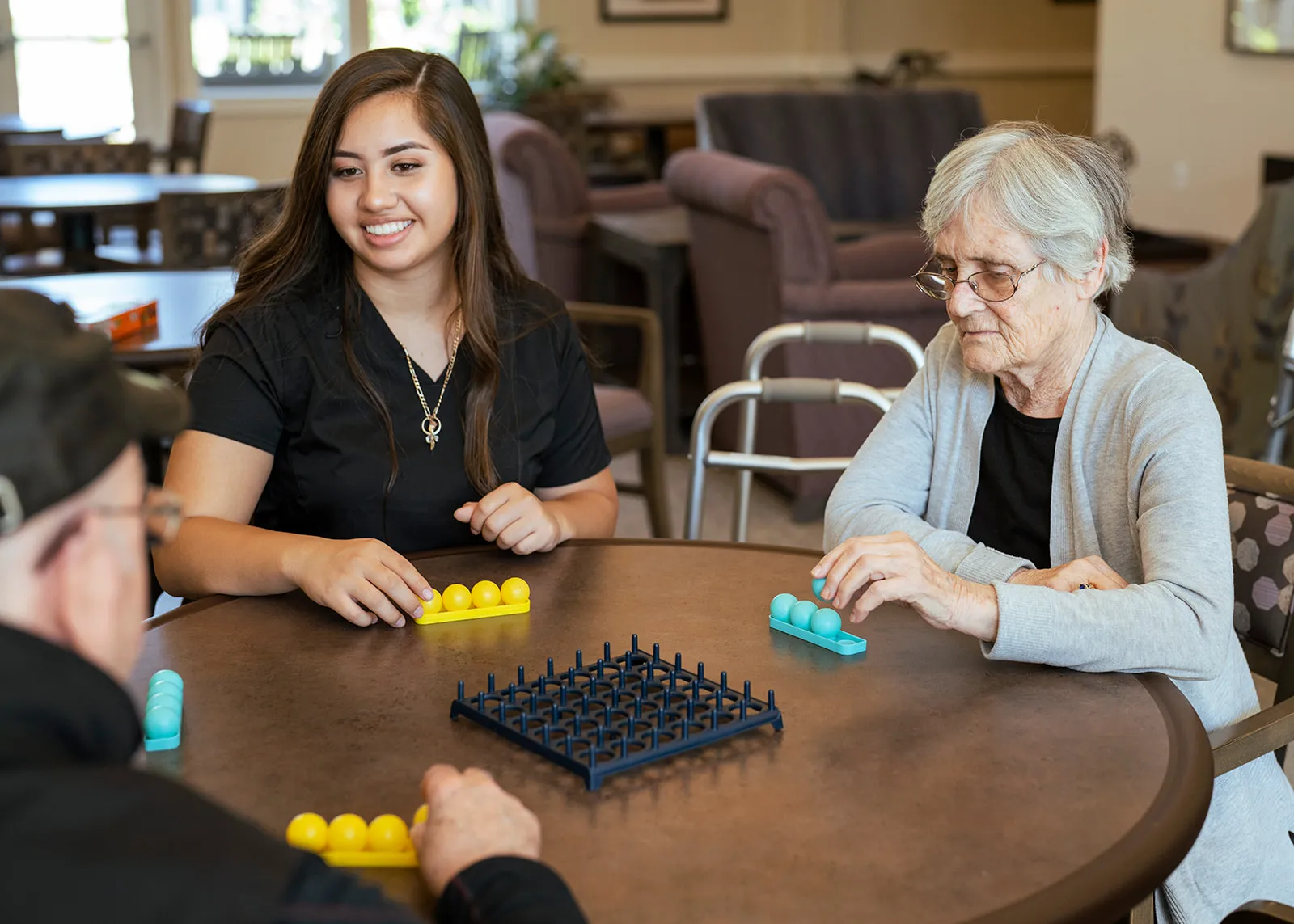
Engagement activities in memory care settings differ greatly from those in assisted living communities, largely due to the targeted approach for residents with cognitive impairments. Memory care often includes structured activities aimed at stimulating cognitive function, such as memory games and art projects, which are designed to evoke memories and promote interaction. These activities are typically led by trained staff, including registered nurses, who understand the specific needs of individuals with Alzheimer’s or dementia, ensuring a supportive environment that enhances emotional well-being.
In contrast, assisted living environments provide a wider variety of social and recreational activities, allowing residents to choose based on personal interests. While these may include exercise classes or group outings, the emphasis is more on maintaining physical health and socialization than on cognitive engagement. Families considering the cost implications must weigh these options carefully, as memory care might come with a higher price tag, primarily due to its specialized staffing and tailored programming aimed at patient engagement and support within a constrained budget.
Comparing Amenities and Living Arrangements
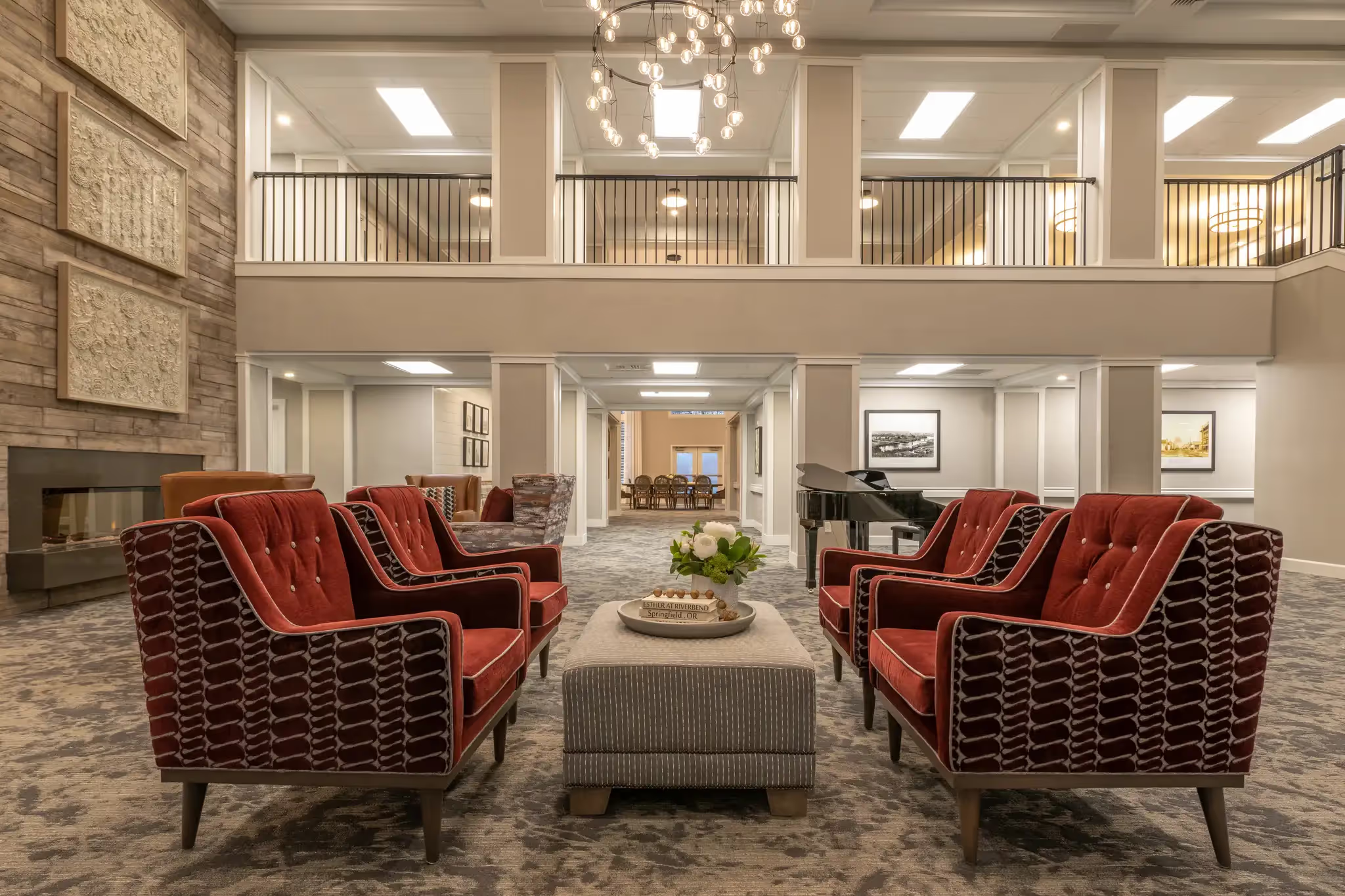
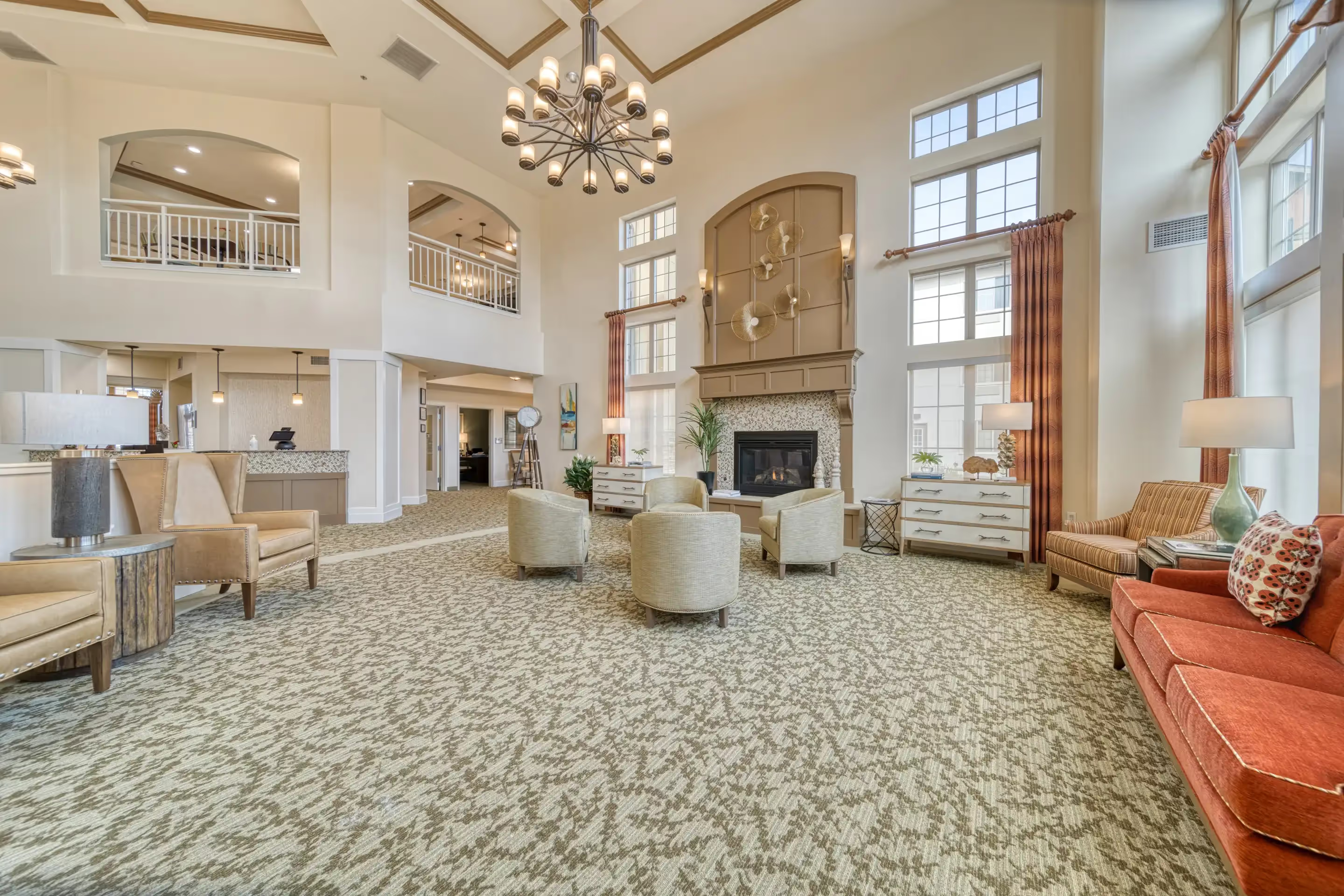
When comparing amenities and living arrangements in memory care and assisted living, there are distinct differences that can significantly impact residents’ experiences. In memory care communities, the focus is on creating a safe and engaging environment tailored for individuals with dementia or Alzheimer’s disease. This often includes features such as secure outdoor spaces and specialized equipment that promote hygiene and safety, ensuring residents can explore their surroundings without risk. In contrast, assisted living facilities generally prioritize comfort and social interactions, offering private apartments and a variety of communal areas for residents to engage in different activities and build connections.
Furthermore, both types of communities incorporate specific therapeutic approaches, such as reminiscence therapy, to stimulate cognitive function and emotional well-being. Many memory care facilities actively use reminiscence therapy by organizing programs that encourage residents to share memories and experiences, thus enhancing their quality of life. Understanding these differences is essential for families when evaluating options that meet their loved ones’ needs for care and support.
- Memory care focuses on safety and disease-specific therapies.
- Assisted living emphasizes community and social engagement.
- Hygiene standards are prioritized in both settings for residents’ well-being.
- Reminiscence therapy is often used to prompt cognitive engagement in memory care.
- Living arrangements vary, reflecting the unique needs of each resident population.
Financial Considerations for Memory Care Versus Assisted Living
When considering the financial aspects of memory care versus assisted living, it is essential to recognize that memory care facilities often incur higher costs due to specialized services and safety measures. The additional expenses are often linked to enhanced staff training focused on managing behaviors related to aggression or safety concerns, particularly for residents prone to wandering or injury. Families should also consider that these facilities typically require more comprehensive care plans developed with the input of a physician.
Assisted living, while generally less expensive, also carries its own financial implications. These communities offer support for daily activities, but they do not typically provide the in-depth care required for someone living with significant cognitive decline. It is crucial for families to evaluate not just the initial costs, but also the long-term financial impacts, especially if increased medical needs arise that could necessitate a transition to memory care services in the future.
Read: How to Pay for Memory Care: A Guide for Families Navigating Senior Care Costs
Find a Memory Care Community Near You
Unique Benefits of Memory Care for Individuals With Dementia
In memory care facilities, tailored care plans are essential for addressing individual needs of residents living with dementia. These plans integrate specialized therapeutic programs that enhance cognitive function and emotional well-being. Structured activities significantly enrich the quality of life, while the role of technology in memory care services boosts engagement and safety. These elements collectively demonstrate the unique benefits of memory care for individuals facing these challenges. Read: When Should One Consider Transitioning from General Dementia Care to a Memory Care Facility?
Tailored Care Plans That Address Individual Needs
In observations of memory care units, tailored care plans play a crucial role in supporting individuals with dementia. These plans take into account each resident’s unique needs, preferences, and strengths, allowing for personalized activities and therapies. For instance, incorporating gardens and outdoor spaces into daily routines not only enhances physical well-being but also promotes mental stimulation, creating opportunities for sensory engagement and social interaction among residents.
Engaging programs designed specifically for memory care help stimulate cognitive function while maintaining a compassionate approach to care. By focusing on individualized care plans, caregivers can implement strategies that align with a resident’s interests, which has a positive impact on their emotional health. Unlike typical assisted living memory options, these specialized plans bring a depth of understanding that fosters a supportive environment for individuals facing memory challenges.
Specialized Therapeutic Programs in Memory Care
Specialized therapeutic programs in memory care units play a vital role in enhancing the lifestyle of individuals living with dementia. These programs are designed to address the unique needs of residents, focusing on cognitive stimulation and emotional support. For instance many memory care programs incorporate activities like reminiscence therapy, which uses familiar prompts to spark memories and conversations, fostering a sense of connection among residents and caregivers.
Additionally, these therapeutic initiatives often include art and music therapy, creating an engaging environment that encourages self-expression and creativity. When residents participate in these structured activities, they not only experience improved cognitive function but also develop meaningful interactions with others. Understanding the significance of these specialized therapeutic programs can guide families in choosing the right memory care option that prioritizes residents’ overall well-being and quality of life.
Enhancing Quality of Life Through Structured Activities
Structured activities play a critical role in enhancing the quality of life for individuals with dementia. Programs such as art therapy provide an outlet for self-expression, allowing residents to engage creatively while improving their cognitive function. These structured sessions not only foster attention but also significantly reduce the risk of feelings of isolation, which can be common among those in memory care communities.
Moreover, incorporating housekeeping tasks into daily routines can offer residents a sense of purpose and accomplishment. Activities designed around familiar tasks help maintain skills while promoting independence. By focusing on structured activities tailored to the individual, caregivers can address various needs, ensuring that each resident feels valued and engaged in their living environment:
Role of Technology in Specialized Memory Care
With memory care facilities, technology plays a pivotal role in enhancing the quality of life for individuals living with dementia. For example, digital platforms can assist residents in managing daily tasks, such as monitoring nutrition and encouraging physical activity, which builds a healthy routine. Programs that aid in laundry management can also help residents maintain their independence, ensuring they feel accomplished in their daily lives.
Furthermore, advanced health insurance policy management tools enable families to navigate coverage options effectively, making it easier to obtain the necessary resources for specialized care. Technological advancements, such as integrating art therapy into memory care programs, not only stimulate cognitive function but also promote emotional connections among residents, fostering a supportive community. These innovations are critical in addressing specific needs and enhancing overall well-being in memory care settings.
Find a Memory Care Community Near You
Exploring the Benefits of Assisted Living for Seniors
Assisted living offers seniors a unique opportunity to maintain independence while receiving necessary support. In this section, we will look at how assisted living arrangements empower residents to engage in daily activities with confidence. We will also explore the value of social interaction within the community and the range of support services, from compassionate nursing care to engaging programs that stimulate both physical and mental well-being.
Maintaining Independence in Assisted Living Arrangements
In assisted living arrangements, maintaining independence is a central focus, allowing seniors to enjoy their daily activities while receiving the necessary support. Residents benefit from tailored services that promote self-sufficiency, such as assistance with personal care and household tasks. This supportive environment fosters dignity and a sense of control over their routines, which is often crucial for emotional well-being.
To find assisted living options that best suit individual needs, families can explore facilities that offer respite care or specific memory care centers. These communities provide structured activities focused on social engagement and physical health, ensuring that residents not only receive help when needed but also actively participate in their care. By promoting independence in such an environment, seniors can thrive while enjoying the balance of support and autonomy that enhances their quality of life:
| Aspect | Benefits |
|---|---|
| Support Services | Assistance with daily activities while fostering independence |
| Environment | A community that encourages social interaction and active engagement |
| Respite Care | Temporary support for families while giving residents a chance to thrive |
Social Interaction and Community in Assisted Living
Social interaction is a crucial aspect of life in assisted living communities, helping to reduce stress and improve overall well-being for residents. Engaging with peers fosters meaningful friendships, which enhances emotional health and ensures that residents feel included and valued within their community.
Emergency situations can often be daunting, but having a strong social network provides residents with support during challenging times. For instance, residents frequently participate in group activities that promote communication and teamwork, making it easier for them to connect during unforeseen circumstances. Such interactions contribute to a sense of safety and community resilience, highlighting the importance of social engagement in assisted living settings:
Contact us
learn more about our
community




EXPLORE THE ONELIFE COMMUNITIES