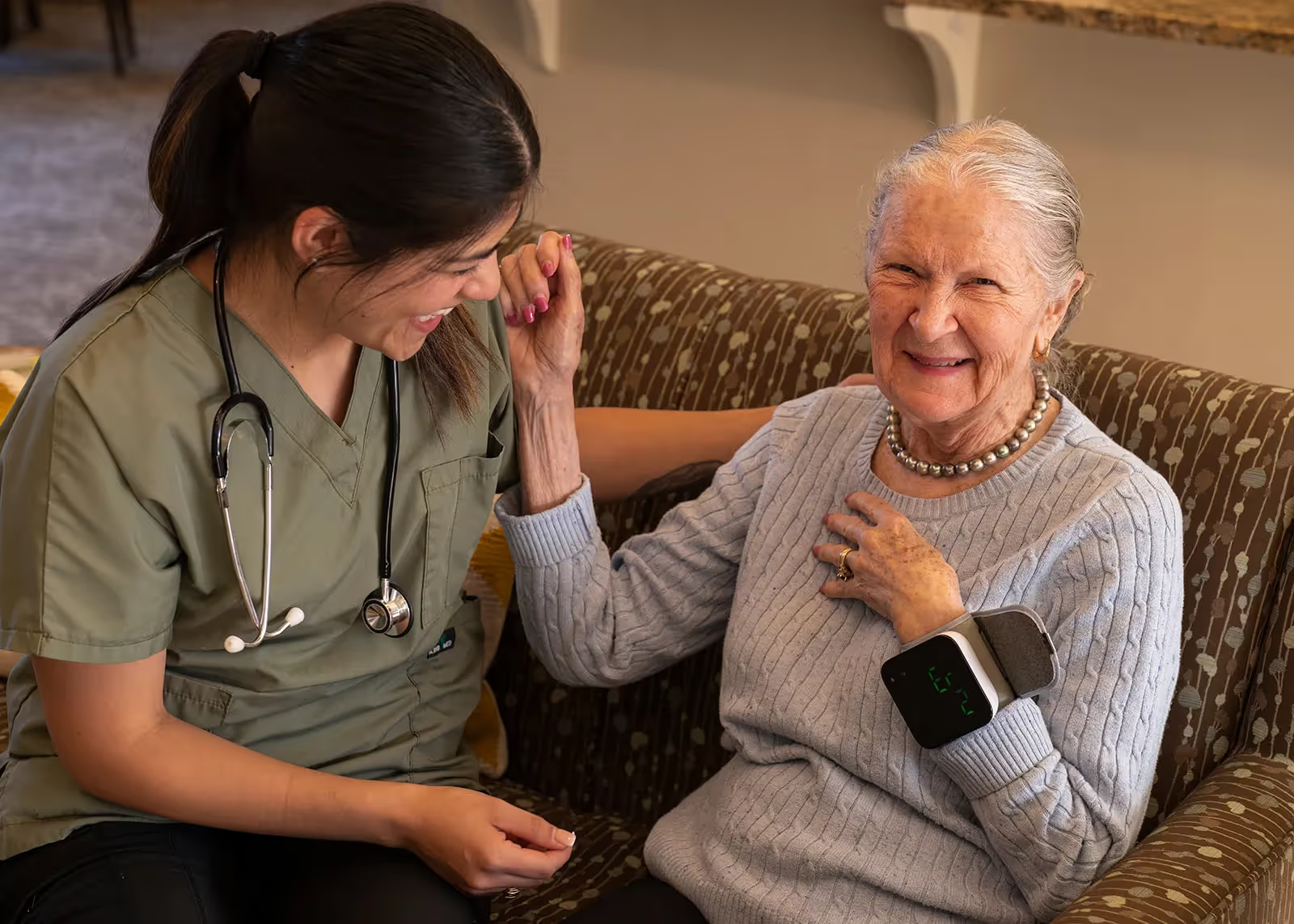
When someone you love is diagnosed with Alzheimer’s disease, one of the most urgent questions becomes: How do we keep them safe—around the clock? That’s where Alzheimer’s care homes with 24/7 supervision play a crucial role. These specialized communities offer not just security, but structure, enrichment, and compassionate care tailored to every stage of the disease.
Whether you’re researching for the first time, considering a move, or feeling overwhelmed with care responsibilities, this guide will help you understand what to look for—and how to take the next step with clarity and peace of mind.
What Is 24/7 Supervision in Alzheimer’s Care?
24/7 supervision means trained caregivers are awake, alert, and available at all hours—not just during the day. It’s more than just someone “on call”—it’s continuous support to manage:
- Wandering and exit-seeking behavior
- Sundowning, confusion, or nighttime agitation
- Medical needs like incontinence, medication, or mobility support
- Emotional reassurance and redirection in unfamiliar moments
Why 24/7 Alzheimer’s Care Is So Essential
Alzheimer’s is not just forgetfulness—it can impact judgment, spatial awareness, behavior, and basic safety. Even those in early to mid-stages may:
- Leave the stove on
- Wander outside alone
- Mistake strangers for family
- Forget to eat, hydrate, or bathe
- Become frightened, agitated, or aggressive at night
Having professionals on-site 24/7 provides the structure, safety, and calm that Alzheimer’s patients need—and the peace of mind families deserve.
For Adult Children Making Care Decisions
As an adult child, you may be balancing caregiving with work, your own family, or long-distance logistics. It’s not uncommon to feel guilt, fear, or pressure to “do it all”—but the reality is, Alzheimer’s is a progressive condition that often outpaces what families can manage alone.
Alzheimer’s care homes with 24/7 supervision can help when:
- You’re worried about nighttime wandering or confusion
- Your parent forgets medications or hygiene routines
- You’re physically or emotionally exhausted
- You’re the only caregiver, and it’s no longer sustainable
- You want to ensure consistency, safety, and expert support
For Families Facing Early-Stage Alzheimer’s
Many families wait until a crisis before exploring care homes—but starting earlier can actually create better long-term outcomes.
Early-stage residents can:
- Build familiarity with caregivers and routines
- Participate in memory-building therapies and engagement programs
- Reduce feelings of isolation and frustration
- Transition more gently into higher levels of care over time
Consider respite care or trial stays as a way to ease into the experience without full commitment.
What to Look For in Alzheimer’s Care Homes With 24/7 Supervision
1. Staff Training & Ratios
- Are caregivers trained specifically in Alzheimer’s behaviors?
- What is the day/night staff ratio?
- Is a nurse or medical staff available on-site or on call?
2. Safety & Layout
- Are exits secured with alarms or monitoring?
- Is the environment calming, with clear visual cues?
- Are there safe indoor/outdoor walking areas?
3. Daily Engagement
- Are there structured activities for cognitive support?
- Do residents have opportunities for movement, music, and socialization?
- Is programming individualized for various stages?
4. Family Communication
- How often are care updates provided?
- Can family members visit and participate in care planning?
- Are support groups or educational resources offered?
Explore how memory care differs from other senior care to better understand your options.
How to Know If It’s Time for 24/7 Supervised Care
You might be ready to explore Alzheimer’s care homes if:
- Your loved one wakes up confused at night or tries to leave the home
- They experience falls, accidents, or disorientation
- Their emotional state fluctuates rapidly or they become agitated
- You’re no longer sleeping or managing your own health
- You’re worried about leaving them alone—even briefly
Need help identifying these signs early? Read: Early signs of dementia.
When You’re Ready, We’re Here
Whether you’re facing a recent diagnosis or the challenges of progressing symptoms, you don’t have to go through it alone. At ONELIFE, we understand what families need—because we’ve supported thousands just like yours. Our communities provide not only 24/7 supervision, but also warmth, dignity, and the consistency your loved one deserves.
Reach out today to schedule a conversation, ask questions, or visit a community near you. We’re here when you need us—compassionate, knowledgeable, and ready to help.
Frequently Asked Questions (FAQ)
Is 24/7 care only needed for advanced Alzheimer’s?
No. While late-stage Alzheimer’s requires full-time support, even in mid-stages, individuals may forget where they are, become anxious at night, or unintentionally put themselves at risk. Supervised environments offer proactive support at every stage.
What’s the difference between “24/7 supervision” and “staff on-site”?
“Staff on-site” can mean someone is present in the building, but not necessarily awake or active. 24/7 supervision means trained professionals are continuously monitoring, assisting, and engaging with residents—even overnight.
Can my parent still have independence in a supervised care home?
Yes—independence is encouraged within safe boundaries. Residents can make choices about their daily routine, participate in activities, and personalize their living space, all while having the support they need when confusion arises.
What if my loved one resists moving into a care home?
Resistance is common, especially with memory loss. The key is to focus on reassurance, consistency, and emphasizing how care will improve their comfort and reduce stress. Starting with a short-term stay or day visit can ease the transition.
How much does 24/7 Alzheimer’s care cost?
Depending on location and services, costs range from $5,000–$8,500/month. This typically includes room and board, care services, meals, activities, and supervision. Learn more: How to pay for memory care.