Brain Health is Everyone’s Business: Why Alzheimer’s Awareness Matters at Every Age
For Alzheimer’s & Brain Awareness Month this June, ONELIFE Senior Living is helping shift the conversation around brain health. While providing compassionate care for those with Alzheimer’s disease and other dementias remains vital, equally important is the growing body of evidence showing we can take meaningful steps toward prevention at every stage of life.
Understanding the Challenge
Alzheimer’s disease affects over 6.7 million Americans, with numbers projected to reach nearly 13 million by 2050. What many don’t realize is that brain changes associated with Alzheimer’s can begin 15-20 years before symptoms appear—meaning the time to focus on brain health is now, regardless of your age.
Prevention Through Lifestyle
Research increasingly shows that up to 40% of dementia cases might be preventable through lifestyle modifications. Here’s how you can protect your brain health at any age:
Mind Your Blood Pressure
Controlling hypertension in midlife can reduce dementia risk by 7%. Studies show that treating high blood pressure, especially before age 65, significantly protects cognitive function.
Brain-Friendly Nutrition
The MIND diet (Mediterranean-DASH Intervention for Neurodegenerative Delay) has been shown to reduce Alzheimer’s risk by up to 53% in those who follow it rigorously. This approach emphasizes:
- Leafy greens (6+ servings weekly)
- Other vegetables (at least once daily)
- Berries (twice weekly)
- Nuts (5+ servings weekly)
- Olive oil as the primary cooking oil
- Whole grains (3+ servings daily)
- Fish (weekly)
- Beans (3+ times weekly)
- Poultry (twice weekly)
- Limited red meat, butter, cheese, pastries, and fried foods
Quality Sleep Clears Brain Waste
7-8 hours of quality sleep allows your brain to clear harmful proteins like beta-amyloid. Poor sleep quality is associated with a 1.5x higher risk of developing dementia.
Brain Health Through the Decades
In Your 20s and 30s
Your twenties and thirties are crucial decades for establishing the cognitive reserves that will serve you throughout life. During this period, your brain is still developing and highly adaptable, making it the perfect time to invest in habits that will pay dividends for decades to come. Focus on creating a strong foundation through challenging experiences, healthy lifestyle choices, and building resilience against future cognitive decline.
- Pursue Higher Education or Complex Learning: Challenge your brain with formal education, learning new languages, or mastering complex skills like musical instruments to build cognitive reserves
- Establish Regular Exercise Habits: Engage in both cardiovascular exercise and strength training to promote neuroplasticity and improve blood flow to the brain
- Prioritize Quality Sleep: Develop consistent sleep hygiene practices, aiming for 7-9 hours nightly to support memory consolidation and brain detoxification
- Build Strong Social Networks: Cultivate meaningful relationships and engage in regular social activities to create protective factors against future cognitive decline
In Your 40s and 50s
The middle decades of life present both challenges and opportunities for brain health. While you may notice subtle changes in processing speed or memory, this is also a prime time to implement protective strategies that can significantly impact your cognitive future. Focus on managing stress, addressing health conditions that affect brain function, and continuing to challenge your mind in new ways.
- Manage Chronic Health Conditions: Control blood pressure, diabetes, and cholesterol levels through regular medical care, as these conditions significantly impact brain health
- Incorporate Stress Management Techniques: Practice meditation, yoga, or other stress-reduction methods to protect against chronic stress damage to the brain
- Diversify Mental Challenges: Take on new professional responsibilities, learn new hobbies, or engage in complex problem-solving activities to maintain cognitive flexibility
- Optimize Nutrition for Brain Health: Adopt a Mediterranean-style diet rich in omega-3 fatty acids, antioxidants, and anti-inflammatory foods while limiting processed foods and excessive alcohol
In Your 60s and Beyond
The senior years require a more targeted approach to brain health, focusing on preservation while continuing to seek opportunities for growth and engagement. Research shows that it’s never too late to positively impact cognitive function through lifestyle modifications. This decade is about maintaining independence, staying mentally engaged, and addressing age-related changes proactively.
- Stay Mentally Active with Purpose: Engage in meaningful activities like volunteering, teaching, or pursuing creative endeavors that provide both mental stimulation and social connection
- Maintain Physical Activity: Continue regular exercise with modifications as needed, including balance training and activities that combine physical and cognitive challenges like dancing or tai chi
- Regular Health Monitoring: Work closely with healthcare providers to monitor and manage conditions that affect brain health, including regular cognitive assessments
- Foster Intergenerational Connections: Maintain relationships with younger family members and friends to stay current with new ideas and technologies while sharing your wisdom and experience
At ONELIFE Senior Living
Our dedicated team of specialists works closely with residents and families to develop individualized approaches to brain health maintenance that are tailored to each person’s unique needs and preferences. By making brain health an essential part of our care services, ONELIFE Senior Living ensures that residents not only receive exceptional care but also have the comprehensive support needed to maintain cognitive wellness and thrive throughout their golden years, giving families confidence in their choice of senior living community. From early support to advanced memory care, ONELIFE Senior Living empowers residents to stay mentally active—here are a few ways we make that possible:
- Chef-prepared meals following brain-healthy nutrition principles
- Daily physical activity programs designed for all ability levels
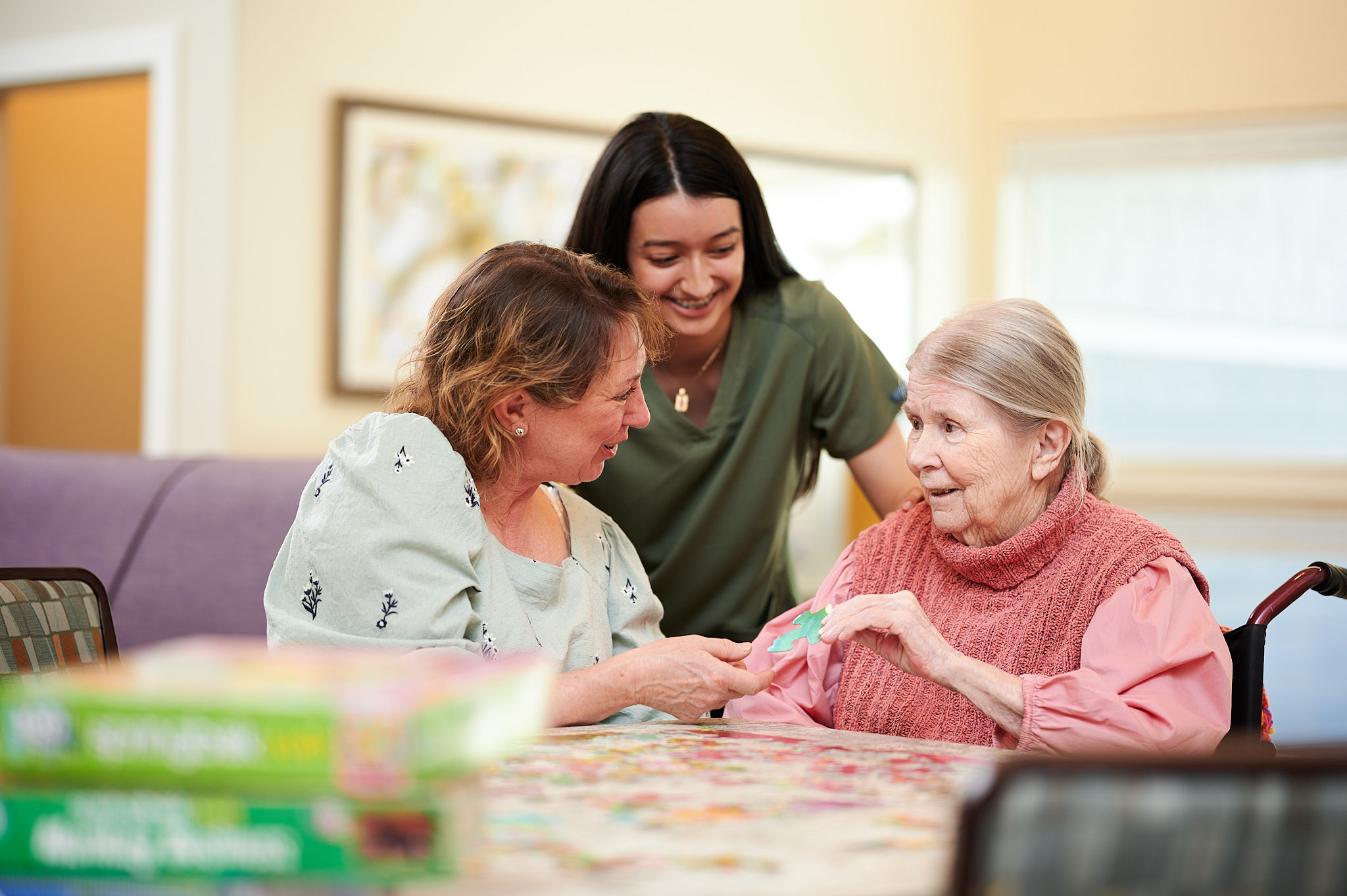
- Cognitive stimulation through classes, games, and creative arts
- Strong social programs that foster meaningful connections
- Regular health monitoring to manage risk factors
Take Action Today
Brain health isn’t just a concern for seniors—it’s everyone’s business. This Alzheimer’s & Brain Awareness Month, we invite you to make one positive change for your brain health, whatever your age. Small steps today can lead to significant benefits for your cognitive future.
Visit us today at ONELIFE Senior Living to learn more about your communities.
Explore ONELIFE Communities Across the Country
ONELIFE Senior Living is proud to serve families in multiple regions, offering exceptional care and support tailored to each resident’s needs. In Springfield, Oregon, The Esther at Riverbend Assisted Living provides personalized assisted living services, while The Rawlin at Riverbend Memory Care specializes in compassionate Alzheimer’s and dementia care. Families in Salem can find trusted support at Battle Creek Memory Care, and those in Beaverton benefit from the warm, secure environment at Waterhouse Ridge Memory Care.
For families in Nevada, Vineyard Henderson Memory Care offers expert dementia care in the heart of Henderson, while in California, The Reserve at Fountaingrove Memory Care provides high-quality memory support in Santa Rosa, and The Woodlake Senior Living serves Sacramento with a full spectrum of senior living options. In Cottage Grove, Oregon, Middlefield Oaks Senior Living combines independence and care, while in the Midwest, The Laurel at Vernon Hills Memory Care stands as a dedicated resource for families in Vernon Hills, Illinois. Finally, in Phoenix, Arizona, Shadow Mountain Memory Care delivers compassionate, all-inclusive memory care in a safe and engaging setting.
No matter which location you choose, every ONELIFE community is united by the same mission: providing exceptional care, meaningful activities, and a true sense of family for residents and loved ones.