How Music Can Help People Living with Alzheimer's Disease and Dementia
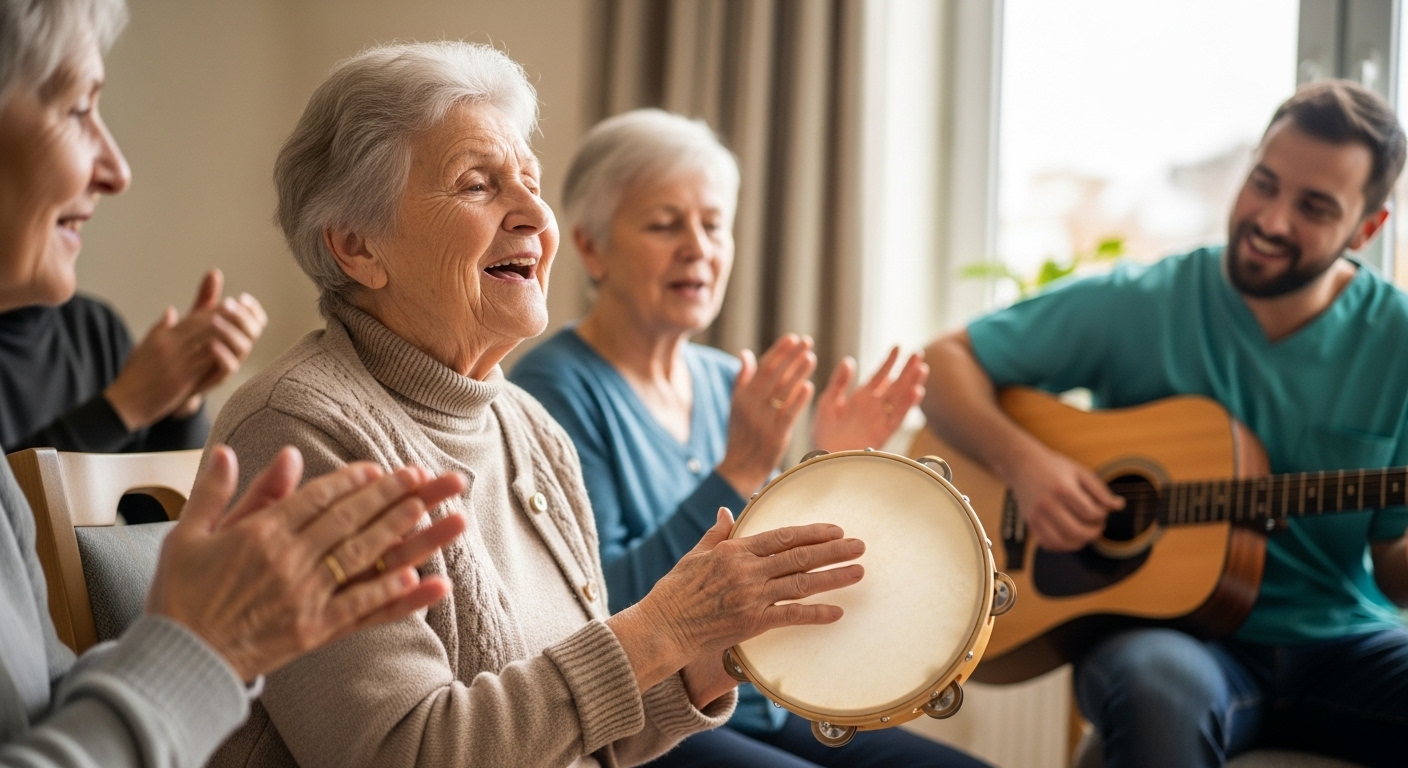
A favorite song has the power to transport us to another time and place. For people living with Alzheimer's disease and other forms of dementia, music can sometimes unlock memories, emotions, and connections that may seem out of reach through conversation alone.
Families exploring memory care options are often surprised when a loved one who struggles to remember recent events begins singing along to a familiar song from decades ago. A melody from childhood, a favorite hymn, or a song played at a wedding can spark recognition, encourage engagement, and create meaningful moments of connection.
While music cannot cure Alzheimer's disease or dementia, research suggests it can play an important role in supporting emotional well-being, reducing stress, encouraging social interaction, and enhancing quality of life for individuals receiving memory care services. Whether through personalized playlists, group sing-alongs, live performances, or formal music therapy, music can be a valuable tool for both individuals living with dementia and the families who care for them.
In This Article
- Can Music Help People with Alzheimer's Disease and Dementia?
- Why Does Music Affect the Brain Differently?
- How Can Music Improve Life for Someone with Dementia?
- Why Do People with Dementia Remember Songs?
- Music Therapy vs. Listening to Music: What's the Difference?
- How Families Can Use Music at Home to Support a Loved One With Dementia
- What Does the Research Say About Music and Dementia?
- How Memory Care Communities Use Music to Support Residents
- Music Creates Moments That Matter
- Frequently Asked Questions About Music and Dementia
Can Music Help People with Alzheimer's Disease and Dementia?
Yes. Research suggests that music can help improve mood, reduce anxiety, encourage social engagement, and trigger meaningful memories for some people living with Alzheimer's disease and other forms of dementia. While music cannot prevent, cure, or reverse dementia, it can support emotional well-being and help create positive experiences throughout the dementia journey.
Many families notice that music can:
- Encourage conversation and interaction
- Promote relaxation and reduce stress
- Trigger memories associated with meaningful life events
- Improve mood and emotional well-being
- Increase participation in activities
- Create opportunities for connection between loved ones
Because every person experiences dementia differently, responses to music can vary. However, familiar songs and personalized music selections often have the greatest impact.
Key Takeaways
- Music can help support emotional well-being for people living with dementia.
- Familiar songs may trigger memories and emotional connections.
- Music can encourage social interaction and engagement.
- Both music therapy and everyday music experiences may provide benefits.
- Personalized playlists are often more effective than generic music selections.
Why Does Music Affect the Brain Differently?
One reason music can be so powerful for people with Alzheimer's disease and dementia is that it engages multiple areas of the brain at the same time.
When someone listens to music, the brain processes rhythm, melody, language, emotion, and memory simultaneously. Unlike a simple conversation or a written reminder, music activates a broad network of brain regions, creating multiple pathways for engagement.
Researchers believe that some musical memories may remain accessible even as other types of memory become more difficult to retrieve. This is why a person who struggles to remember recent conversations may still recognize lyrics from a favorite song or respond emotionally to music they have loved for years.
Music is also closely connected to emotion. A familiar song can bring back feelings associated with important life experiences such as weddings, family gatherings, religious services, military service, celebrations, or other meaningful moments. Even when specific details are difficult to recall, the emotions connected to those memories may remain.
For families, these moments can be incredibly meaningful. A familiar song may inspire a smile, encourage singing, spark a conversation, or simply provide comfort and calm during a challenging day.
How Can Music Improve Life for Someone with Dementia?
Music can do more than simply provide entertainment. For many people living with Alzheimer's disease and other forms of dementia, music can support emotional well-being, encourage engagement, and create meaningful moments of connection. While every person responds differently, families and caregivers often notice positive changes when music becomes a regular part of daily life.
Here are some of the ways music may benefit individuals living with dementia.
1. Music Can Improve Mood
Living with dementia can be frustrating, confusing, and emotionally challenging. As memory and communication abilities change, some individuals may experience feelings of sadness, isolation, or anxiety.
Music can help create positive emotional experiences and provide a sense of comfort. Listening to favorite songs, singing along to familiar lyrics, or attending a live musical performance can spark joy and encourage participation in activities.
Many families notice that music helps shift attention away from worries and toward positive emotions. A favorite song may bring a smile, encourage laughter, or simply help someone feel more relaxed and engaged in the moment.
While music is not a treatment for depression, it can be a valuable tool for supporting emotional well-being and creating enjoyable experiences throughout the day.
2. Music May Reduce Anxiety and Agitation
Anxiety, restlessness, and agitation are common symptoms for some people living with dementia. Changes in routine, unfamiliar environments, overstimulation, or difficulty communicating needs can sometimes contribute to feelings of stress.
Music may help create a calmer environment and promote relaxation. Gentle, familiar music can provide comfort during stressful moments and may help redirect attention away from sources of frustration.
Many caregivers find that playing familiar songs during certain times of day can help establish routines and create a more soothing atmosphere. For example, calming music may be used during meals, personal care activities, or evening hours when some individuals experience increased confusion or restlessness.
Because music preferences are highly personal, it's important to choose songs that are familiar and enjoyable for the individual rather than relying on generic playlists.
3. Music Encourages Social Connection
One of the most meaningful benefits of music is its ability to bring people together.
As dementia progresses, conversations can become more difficult. Music offers another way to communicate and connect. Singing, clapping, dancing, or simply listening together can create shared experiences that do not depend on memory or language skills.
Families often find that music creates opportunities for meaningful interactions that might not happen otherwise. A favorite song may inspire a story, spark a memory, or encourage participation in a group activity.
In memory care communities, music frequently serves as a social activity that helps residents engage with one another, caregivers, and visiting family members. Whether it's a sing-along, live entertainment, or a music appreciation group, these experiences can foster connection and reduce feelings of isolation.
4. Music Can Support Memory and Reminiscence
One reason music is so powerful for people with dementia is its connection to personal memories.
Songs are often linked to important life events, including weddings, graduations, military service, religious traditions, family celebrations, and favorite hobbies. Hearing familiar music may help trigger memories and emotions associated with those experiences.
Reminiscence activities that incorporate music can encourage storytelling and conversation. A song from someone's teenage years or early adulthood may prompt discussions about family, friendships, careers, or other meaningful experiences.
It's important to remember that music may not restore lost memories or improve memory function. However, it can help individuals reconnect with meaningful moments from their lives and create opportunities for engagement and self-expression.
5. Music Promotes Movement and Physical Activity
Music naturally encourages movement. Even individuals in the later stages of dementia may tap their feet, clap their hands, sway to a rhythm, or sing along to familiar songs.
Movement-based activities paired with music can help support physical wellness while making exercise more enjoyable. Chair exercises, stretching routines, dancing, and walking programs often become more engaging when music is involved.
For some individuals, rhythm and movement can also help improve focus and participation during activities. Rather than viewing exercise as a task, music can transform it into a fun and meaningful experience.
In memory care settings, music-based movement programs often support both physical activity and social engagement, helping residents remain active while enjoying the company of others.
What Families Often Notice
Families frequently tell us that they are amazed by the impact music can have on a loved one living with dementia. A resident who appears withdrawn may begin singing every word to a favorite song. Someone who is having a difficult day may become calmer after listening to familiar music. Others may start sharing stories and memories that family members haven't heard in years.
While every person's experience is unique, these moments demonstrate why music continues to be one of the most valuable tools for supporting comfort, engagement, and quality of life throughout the dementia journey.
Why Do People with Dementia Remember Songs?
One of the most remarkable experiences many families witness is seeing a loved one who struggles to remember names, conversations, or recent events suddenly sing along to a favorite song from decades ago.
This often leads families to ask: Why can someone with dementia remember music when so many other memories seem to fade?
While researchers are still learning exactly how the brain processes music, studies suggest that musical memories may be stored and accessed differently than many other types of memories. Because music engages multiple areas of the brain—including regions involved in emotion, movement, attention, and long-term memory—it may remain accessible even as dementia affects other cognitive functions.
For many people, music is also deeply connected to important life experiences. Songs are often associated with weddings, religious services, military service, school dances, family gatherings, holidays, and other meaningful moments. When a familiar song is heard, it may trigger emotions and memories connected to those experiences.
Music and Emotional Memory
Not all memories are stored in the same way.
A person living with dementia may have difficulty remembering what they ate for breakfast or recalling a recent conversation. However, they may still recognize a song they heard hundreds of times throughout their life.
This is partly because music is closely tied to emotional memory. The emotions connected to a song can remain powerful even when specific details become harder to recall.
For example, someone may not remember the date of their wedding, but hearing their wedding song may still create feelings of happiness, comfort, or familiarity. A favorite hymn may bring a sense of peace. A song played during military service may evoke pride and reflection.
These emotional responses can help explain why music often remains meaningful throughout the progression of dementia.
Why Familiar Music Matters Most
When it comes to dementia and music, familiar songs tend to have the greatest impact.
Research and caregiver experiences suggest that music from a person's teens, twenties, and early adulthood is often the most recognizable and meaningful. During these years, people frequently develop strong emotional connections to music through important life experiences and relationships.
This is why personalized playlists are often more effective than generic playlists designed for older adults.
When creating a music playlist for someone living with dementia, consider:
- Favorite artists and bands
- Religious or spiritual music
- Songs from their teenage and young adult years
- Music associated with family traditions
- Cultural or regional music they enjoyed
- Songs connected to important milestones and celebrations
The goal isn't simply to play music—it's to play music that is meaningful to the individual.
Can Music Bring Back Lost Memories?
This is a common question, and it's important to set realistic expectations.
Music does not reverse dementia or restore memories that have been permanently lost. However, it may help individuals access memories, emotions, or experiences that are still present but difficult to retrieve through conversation alone.
Sometimes a familiar song can spark a story, a smile, or a moment of recognition. Other times it may simply create a feeling of comfort and connection without a specific memory attached.
These moments can be incredibly meaningful for both the individual and their family members. Even when memories cannot be fully recalled, the emotional benefits of music can still be powerful.
Music Creates Opportunities for Connection
For families caring for a loved one with dementia, music can become a valuable way to connect when words are difficult.
Listening to favorite songs together, singing along, attending musical performances, or sharing memories associated with music can create meaningful interactions that do not depend on perfect recall.
In many cases, the goal isn't to test memory or encourage someone to remember facts. Instead, it's to create opportunities for joy, engagement, comfort, and connection in the present moment.
Those moments of connection are often what families remember most.
Key Takeaways
- Music is processed in multiple areas of the brain, including regions connected to memory and emotion.
- Familiar songs may remain recognizable even when other memories become difficult to access.
- Music often triggers emotional memories connected to important life experiences.
- Personalized playlists typically have the greatest impact.
- Music does not cure dementia, but it can help create meaningful moments of comfort, engagement, and connection.
What Music Is Best for Someone with Dementia?
There is no single type of music that works best for everyone. In most cases, the most effective music is music that is personally meaningful to the individual.
Many experts recommend focusing on songs from a person's teenage years and young adulthood, as these are often associated with strong emotional memories. Religious music, favorite artists, wedding songs, and music connected to family traditions can also be powerful.
When selecting music, consider:
- Personal preferences
- Cultural background
- Religious or spiritual traditions
- Favorite artists and genres
- Music associated with important life events
The goal is not to choose music that is popular with older adults in general, but music that is meaningful to the individual.
Music Therapy vs. Listening to Music: What's the Difference?
Many people use the terms music therapy and listening to music interchangeably, but they are not the same thing.
Both can provide meaningful benefits for people living with Alzheimer's disease and other forms of dementia. However, music therapy is a specialized healthcare service, while listening to music is an activity that anyone can enjoy.
Understanding the difference can help families choose the approach that best supports their loved one's needs.
What Is Music Therapy?
Music therapy is a clinical service provided by a trained and credentialed music therapist. Sessions are designed around specific goals and may include activities such as singing, playing instruments, listening to music, movement, songwriting, or guided reminiscence.
The therapist develops individualized interventions based on the person's abilities, preferences, and needs.
For someone living with dementia, music therapy may be used to support goals such as:
- Encouraging communication and self-expression
- Promoting social interaction
- Reducing anxiety and stress
- Supporting emotional well-being
- Increasing engagement in activities
- Improving quality of life
Because music therapy is personalized and goal-oriented, it differs from simply turning on a favorite playlist or attending a musical performance.
What Is the Therapeutic Use of Music?
While not considered music therapy, many people benefit from the therapeutic use of music in everyday life.
This may include:
- Listening to favorite songs
- Singing along to familiar music
- Attending live musical performances
- Participating in group sing-alongs
- Dancing or exercising to music
- Creating personalized playlists
- Using calming music during daily routines
These activities can still have a positive impact on mood, engagement, and social connection, even when they are not led by a certified music therapist.
For many families, incorporating music into everyday life is one of the simplest and most effective ways to support a loved one living with dementia.
Music Therapy vs. Everyday Music Experiences
Which Option Is Best?
The answer depends on the individual.
Some people may benefit from formal music therapy sessions led by a credentialed professional. Others may experience meaningful benefits simply by listening to favorite songs, attending live performances, or participating in music-based activities with family and friends.
In many cases, the most effective approach is one that incorporates music regularly and focuses on the individual's personal preferences.
A personalized playlist featuring favorite artists, meaningful songs, and familiar melodies can often have a greater impact than generic music selections.
The goal is not to create the perfect playlist or therapy session. The goal is to use music as a tool for comfort, engagement, self-expression, and connection.
How Music Is Often Used in Memory Care Communities
Many memory care communities incorporate music into daily programming because it can be engaging, familiar, and enjoyable for residents at various stages of dementia.
Music-based activities may include:
- Live entertainment
- Sing-alongs
- Music appreciation groups
- Exercise classes with music
- Dancing and movement activities
- Religious and spiritual music programs
- Personalized music experiences
- Reminiscence activities centered around favorite songs
At ONELIFE Senior Living communities, music is incorporated into daily life, a component of our Luminate Memory Care program. Healing Harmonies uses music-based experiences to encourage engagement, comfort, social connection, and meaningful moments throughout the day.
While every resident's preferences and experiences are unique, music often serves as a powerful way to foster connection and enhance quality of life.
Key Takeaways
- Music therapy is a clinical service provided by a trained music therapist.
- Listening to music and participating in music activities can still provide meaningful benefits.
- Personalized music often has the greatest impact.
- Both approaches can support emotional well-being, engagement, and social connection.
- Music can be incorporated into daily life at home or within a memory care community.
How Families Can Use Music at Home to Support a Loved One With Dementia
You don't need special equipment, musical training, or a formal music therapy program to incorporate music into your loved one's daily routine. In many cases, simple and familiar music experiences can create meaningful moments of comfort, engagement, and connection.
The key is to focus on the individual's personal preferences and use music in ways that feel natural and enjoyable.
Create a Personalized Playlist
One of the most effective ways to use music is by creating a playlist of songs that have personal meaning.
Music from a person's teenage years and young adulthood is often the most familiar and emotionally significant. These songs may be connected to important memories, relationships, celebrations, or life experiences.
Consider including:
- Favorite artists and bands
- Wedding songs
- Religious or spiritual music
- Music from cultural traditions
- Songs associated with family gatherings
- Holiday music
- Music enjoyed during hobbies or special occasions
Streaming services often make it easy to build personalized playlists that can be played whenever needed.
Use Music to Establish Daily Routines
Music can provide structure and familiarity throughout the day.
Playing specific types of music during certain activities may help create a sense of routine and comfort. For example:
- Gentle music during breakfast
- Favorite songs during exercise or walks
- Relaxing music during quiet time
- Calming music before bedtime
Consistent musical cues can sometimes help make daily activities feel more predictable and enjoyable.
Sing Along Together
You don't need to be a great singer to enjoy music together.
Many people living with dementia continue to recognize lyrics and melodies even when conversation becomes more challenging. Singing along to familiar songs can encourage participation, stimulate memories, and create opportunities for connection.
The goal isn't to perform perfectly. The goal is to share an enjoyable experience together.
Families often find that singing creates moments of joy and engagement that might not occur through conversation alone.
Encourage Movement
Music naturally inspires movement.
Depending on the individual's abilities, this might include:
- Dancing
- Clapping along to the rhythm
- Tapping feet
- Chair exercises
- Gentle stretching
- Walking while listening to music
Movement paired with music can support physical activity while making exercise feel more enjoyable and less like a chore.
Watch for Emotional Responses
While music often creates positive experiences, it's important to remember that certain songs may trigger strong emotions.
A song associated with the loss of a spouse, a difficult life event, or another significant memory may cause sadness or discomfort.
Pay attention to how your loved one responds. If a particular song seems upsetting, simply move on to another selection.
The best music experiences are those that help the individual feel comfortable, engaged, and supported.
Consider Live Music When Possible
Live music can be especially engaging for people living with dementia.
Whether it's a family member playing an instrument, a church choir, a community concert, or an entertainer visiting a senior living community, live performances often encourage participation and social interaction.
Many individuals who remain quiet during recorded music become more engaged when musicians are performing in person.
Focus on the Experience, Not the Outcome
One of the most important things families can remember is that music isn't a test.
The goal isn't to see whether your loved one remembers every lyric, recognizes every artist, or recalls specific memories. Instead, the goal is to create moments of comfort, enjoyment, connection, and engagement.
Even if someone doesn't sing along or share a memory, they may still benefit from the emotional and sensory experience of listening to music.
Sometimes a smile, a relaxed expression, a gentle tap of the foot, or simply sitting peacefully together can be a meaningful outcome.
What Families Often Discover
Many caregivers tell us that music becomes one of the most reliable ways to connect with a loved one living with dementia.
On difficult days, a familiar song can help create a sense of calm. During family visits, music can spark conversation and engagement. Over time, favorite songs often become a valuable tool for supporting emotional well-being and maintaining meaningful connections.
The beauty of music is that it meets people where they are. Even when words become difficult, music can continue to provide comfort, familiarity, and moments of joy.
Key Takeaways
- Personalized playlists are often more effective than generic music selections.
- Music can help establish comforting daily routines.
- Singing together can encourage connection and engagement.
- Music paired with movement can support physical activity.
- Pay attention to emotional responses and individual preferences.
- Focus on creating positive experiences rather than testing memory.
What Does the Research Say About Music and Dementia?
While music is not a cure for Alzheimer's disease or other forms of dementia, researchers continue to study how music may support emotional well-being, engagement, and quality of life for people living with cognitive decline.
Over the past several decades, numerous studies have explored the relationship between music, memory, mood, and brain function. Although results vary from person to person, a growing body of research suggests that music can be a valuable tool for supporting individuals living with dementia.
Research Suggests Music Can Support Emotional Well-Being
Many studies have found that music may help reduce feelings of stress, anxiety, and agitation in some individuals living with dementia.
Researchers believe this may be partly due to music's ability to stimulate emotional centers of the brain and create positive sensory experiences. Familiar music can promote feelings of comfort, relaxation, and enjoyment, particularly when it is connected to meaningful life experiences.
For caregivers and family members, this can translate into calmer interactions and more positive daily experiences.
Music May Encourage Social Engagement
Research has also shown that music can encourage participation and social interaction.
Group singing, live performances, and music-based activities often provide opportunities for individuals with dementia to engage with others in ways that don't rely solely on memory or verbal communication.
Even individuals who are typically quiet or withdrawn may participate by singing, clapping, smiling, or moving to the rhythm of familiar songs.
Because social connection is an important part of overall well-being, these interactions can be meaningful for both individuals living with dementia and their families.
Familiar Music Often Produces the Strongest Response
One consistent finding across many studies is the importance of personalized music.
Researchers have found that familiar songs—especially music associated with meaningful experiences and personal preferences—often produce stronger emotional and behavioral responses than unfamiliar music.
This supports what many families and caregivers observe firsthand: a favorite song from decades ago may spark recognition, engagement, or emotional connection in ways that generic background music cannot.
For this reason, many dementia care programs emphasize individualized music experiences whenever possible.
Music Can Support Meaningful Moments of Connection
One of the most important findings from both research and real-world experience is that music can help create opportunities for connection.
While music may not improve memory or change the progression of dementia, it can foster moments of joy, recognition, self-expression, and engagement.
For families navigating the challenges of Alzheimer's disease, these moments can be incredibly meaningful. A shared song, a spontaneous smile, or a familiar melody can help strengthen emotional connections even as cognitive abilities change.
What Researchers Are Still Learning
Although research on music and dementia is promising, there is still much to learn.
Scientists continue to study:
- How music affects different stages of dementia
- Which types of music are most beneficial
- The differences between music therapy and recreational music use
- How personalized playlists influence outcomes
- The long-term effects of music-based interventions
As research evolves, one thing remains clear: music is a safe, accessible, and enjoyable activity that can enhance quality of life for many people living with dementia.
Research Supports What Many Families Already Know
Long before scientific studies began examining music and dementia, families were noticing its impact firsthand.
Caregivers frequently observe loved ones becoming more engaged when favorite songs are played. They see music spark memories, encourage participation, and create moments of connection that might otherwise be difficult to achieve.
Research continues to explore the reasons behind these experiences, but for many families, the value of music is already evident in the smiles, conversations, and shared moments it helps create.
Key Takeaways
- Research suggests music may support mood, comfort, and emotional well-being.
- Music can encourage social interaction and participation.
- Personalized music often produces stronger responses than unfamiliar music.
- Music may help create meaningful moments of connection between individuals and their loved ones.
- While music is not a treatment or cure for dementia, it can play an important role in enhancing quality of life.
How Memory Care Communities Use Music to Support Residents
Because music can encourage engagement, comfort, and social connection, many memory care communities incorporate music into daily programming. From live entertainment and sing-alongs to movement classes and personalized playlists, music often plays an important role in helping residents stay active and connected.
The goal isn't simply to provide entertainment. Music can help create opportunities for self-expression, social interaction, reminiscence, and meaningful moments throughout the day.
Music Creates Opportunities for Engagement
One of the challenges of dementia is that activities that were once enjoyable may become more difficult over time. Music offers a unique way for residents to participate regardless of their cognitive abilities.
A resident may not feel comfortable joining a discussion group but may happily sing along to a favorite song. Others may tap their feet, clap to the rhythm, or simply enjoy listening alongside friends.
Because music can be experienced in many different ways, it often helps residents remain engaged and connected to the world around them.
Families looking for additional ideas may also find these activities for someone with dementia helpful.
Live Music Encourages Participation
Live entertainment is a popular activity in many memory care communities.
Musicians, singers, and performers often create an interactive experience that encourages residents to sing, dance, clap, and participate. The energy of a live performance can be especially engaging and may help foster a sense of community among residents.
For many families, seeing a loved one actively participate in a musical event can be both meaningful and reassuring.
Music Supports Social Connection
Music naturally brings people together.
Group sing-alongs, music appreciation programs, and musical performances create opportunities for residents to interact with one another in a relaxed and enjoyable setting. These shared experiences can help reduce feelings of isolation and encourage friendships within the community.
Music can also strengthen connections between residents and their families. During visits, a familiar song may spark conversation, encourage participation, or simply provide a comforting activity to enjoy together.
Music and Movement Often Go Hand in Hand
Many memory care communities combine music with physical activity.
Exercise classes, stretching programs, chair yoga, dancing, and walking groups often incorporate music to make activities more engaging and enjoyable. The rhythm of music can encourage participation and help residents stay active while having fun.
This combination of movement and music supports multiple aspects of wellness, including physical health, emotional well-being, and social engagement.
Personalized Music Experiences Matter
While group activities are valuable, personalized music can be equally important.
Many communities work with families to learn about a resident's favorite songs, artists, and musical preferences. These insights can help caregivers create meaningful music experiences that reflect the individual's life story and personal interests.
A favorite hymn, a beloved country song, or music associated with important family memories may provide comfort and familiarity throughout the dementia journey.
Because every resident is unique, individualized music experiences often have the greatest impact.
How ONELIFE Incorporates Music Through Healing Harmonies
At ONELIFE Senior Living, music is an important part of our Luminate Memory Care program.
One way we incorporate music into daily life is through Healing Harmonies, an approach designed to use music as a tool for engagement, comfort, and connection. Residents may participate in sing-alongs, live entertainment, music-based activities, movement programs, and other experiences that bring the benefits of music into everyday life.
Our goal is not simply to fill the day with activities. We strive to create meaningful moments that support each resident's emotional well-being, individuality, and quality of life.
Families often tell us they are surprised and encouraged to see a loved one singing along to a favorite song, participating in a musical activity, or sharing memories connected to familiar music. These moments can become some of the most meaningful experiences during the dementia journey.
Understanding how these experiences fit into a broader care plan can help families better understand what memory care is and how it works.
Music Supports the Whole Person
While dementia affects memory and cognitive abilities, individuals continue to experience emotions, relationships, interests, and personal preferences.
Music can help honor those experiences by providing opportunities for joy, comfort, self-expression, and connection. Whether through a favorite song, a live performance, or a shared sing-along, music remains a powerful way to support the whole person throughout every stage of the dementia journey.
Key Takeaways
- Music is commonly incorporated into memory care programming because it can encourage engagement and participation.
- Live entertainment, sing-alongs, and movement programs often help residents stay socially connected.
- Personalized music experiences can be especially meaningful for individuals living with dementia.
- Music can strengthen connections between residents, caregivers, and family members.
- At ONELIFE Senior Living, Healing Harmonies is one of the ways music is incorporated into daily life through our Luminate Memory Care program.
Music Creates Moments That Matter
Alzheimer's disease and other forms of dementia can change many aspects of a person's life, including memory, communication, and daily routines. These changes can be challenging for both individuals and the families who love them.
Yet even as dementia progresses, opportunities for connection remain.
Music has a unique ability to reach people in ways that words sometimes cannot. A familiar melody may spark recognition, encourage participation, inspire movement, or simply provide a sense of comfort and calm. For some individuals, music becomes a bridge to memories and emotions that remain deeply meaningful even as other abilities change.
While music cannot stop or reverse dementia, it can help create moments that enrich daily life. A favorite song may encourage a smile. A familiar hymn may bring peace and reassurance. A sing-along may inspire laughter and connection among family members. These experiences may seem small, but they often become some of the most treasured moments in the dementia journey.
For caregivers and families, music can also provide a valuable way to connect with a loved one. When conversations become more difficult, sharing a favorite song can create a meaningful interaction without pressure or expectations. Sometimes the most important outcome is simply being present together and enjoying the moment.
Research continues to explore the relationship between music and dementia, but many families already understand its value firsthand. They have seen how music can encourage engagement, improve mood, and foster connection. They have witnessed a loved one sing lyrics they haven't spoken in years or respond emotionally to a song that carries special meaning.
Every person's experience with dementia is unique, and no single activity works for everyone. However, music remains one of the most accessible, enjoyable, and widely used tools for supporting emotional well-being and quality of life.
Whether through personalized playlists, live entertainment, music therapy, or simply listening to favorite songs together, music can help create moments of joy, comfort, and connection that continue to matter throughout the dementia journey.
Frequently Asked Questions About Music and Dementia
Can music help someone with Alzheimer's disease?
Yes. Research suggests that music may help improve mood, encourage social interaction, reduce anxiety, and create meaningful moments of connection for some people living with Alzheimer's disease and other forms of dementia. While music does not cure dementia, it can support emotional well-being and quality of life.
Why do people with dementia remember songs?
Music is processed in multiple areas of the brain and is often closely connected to emotions and long-term memories. As a result, familiar songs may remain recognizable even when other memories become more difficult to access.
What type of music is best for someone with dementia?
The best music is usually music that is personally meaningful to the individual. Songs from their teenage years and young adulthood, favorite artists, religious music, and music associated with important life events often produce the strongest responses.
Can music reduce agitation in people with dementia?
Research suggests that familiar and calming music may help reduce anxiety, stress, and agitation for some individuals living with dementia. Responses vary from person to person, so it is important to pay attention to individual preferences.
Does music improve memory in Alzheimer's disease?
Music is not a cure for memory loss and does not reverse Alzheimer's disease. However, familiar songs may help trigger memories, emotions, and conversations that can encourage engagement and connection.
What is the difference between music therapy and listening to music?
Music therapy is a clinical service provided by a trained music therapist and is designed to support specific therapeutic goals. Listening to music, singing, and attending musical activities can also be beneficial but are not considered formal music therapy.
How often should someone with dementia listen to music?
There is no universal recommendation. Many families and caregivers incorporate music into daily routines, activities, exercise programs, relaxation periods, and social events. The most effective approach is often one that reflects the individual's preferences and interests.
Can music help people with late-stage dementia?
In some cases, yes. Even during the later stages of dementia, individuals may continue to respond to familiar music through singing, smiling, movement, emotional reactions, or increased engagement.
Should families create personalized music playlists?
Personalized playlists are often recommended because they reflect the individual's unique life experiences, preferences, and memories. Familiar songs typically have a greater impact than generic music selections.
How do memory care communities use music?
Many memory care communities incorporate music through live entertainment, sing-alongs, movement programs, music appreciation groups, personalized playlists, and other activities designed to encourage engagement, comfort, and social connection.
Contact us
learn more about our
community

More Articles & Resources

.webp)
.webp)
EXPLORE THE ONELIFE COMMUNITIES