Benefits of Memory Care Companion Suites
Choosing a memory care community is one of the most important decisions families make. Along with compassionate caregivers and specialized dementia programming, many families wonder whether a private suite or a companion suite is the best choice for their loved one.
For many individuals living with Alzheimer's disease or another form of dementia, a companion suite offers more than shared living space—it provides friendship, reassurance, and daily opportunities for meaningful social connection.
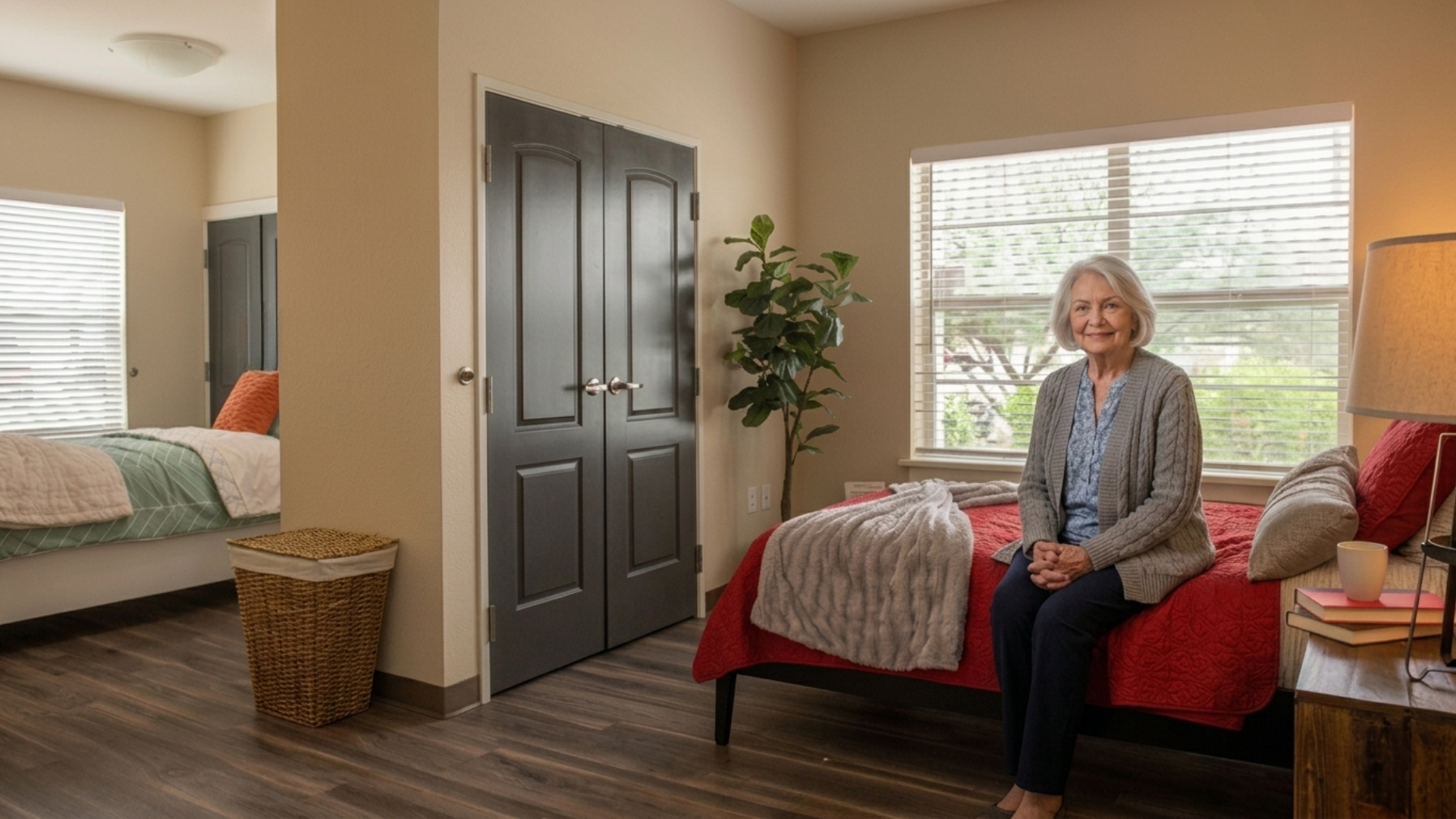
A companion suite is a shared room in a memory care community where two residents have their own personal sleeping area while sharing a thoughtfully designed living space. Companion suites are intended to promote social interaction, reduce feelings of isolation, and provide comfort for residents who benefit from companionship.
While a private suite may be the best fit for some individuals, companion rooms can offer meaningful emotional, social, and even cognitive benefits for many memory care residents.
Why Social Connection Matters for People Living with Dementia
Research continues to show that social connection plays an important role in emotional well-being for people living with dementia.
Studies estimate that nearly 40% of people living with dementia experience significant loneliness, which has been associated with increased anxiety, depression, lower quality of life, and more behavioral symptoms.
Research has also found that social isolation is associated with approximately a 50% greater risk of developing dementia in older adults, highlighting the lifelong importance of meaningful human connection.
Although companionship is not a treatment for dementia, regular social interaction can help support emotional well-being and improve daily quality of life for many residents living in memory care communities.
Memory care professionals understand that emotional wellness is just as important as physical care. While medications and clinical support are essential, everyday moments of conversation, laughter, shared meals, and companionship often make a meaningful difference in how residents experience each day.
.png)
6 Benefits of Companion Suites in Memory Care
1. Helps Reduce Anxiety During the Transition
Moving into memory care is a significant life change.
A new environment, unfamiliar routines, and sleeping alone for the first time can increase feelings of uncertainty.
Having another friendly resident nearby often provides reassurance and comfort during the adjustment period. Many families notice their loved one becomes more relaxed knowing someone else is close by.
2. Reduces Feelings of Loneliness
Loneliness is common among older adults living with dementia.
Companion suites naturally create opportunities for:
- Daily conversation
- Shared laughter
- Friendly companionship
- Emotional connection
- A greater sense of belonging
Even when verbal communication becomes more limited, simply having another familiar presence nearby can provide comfort.
3. Encourages Greater Participation
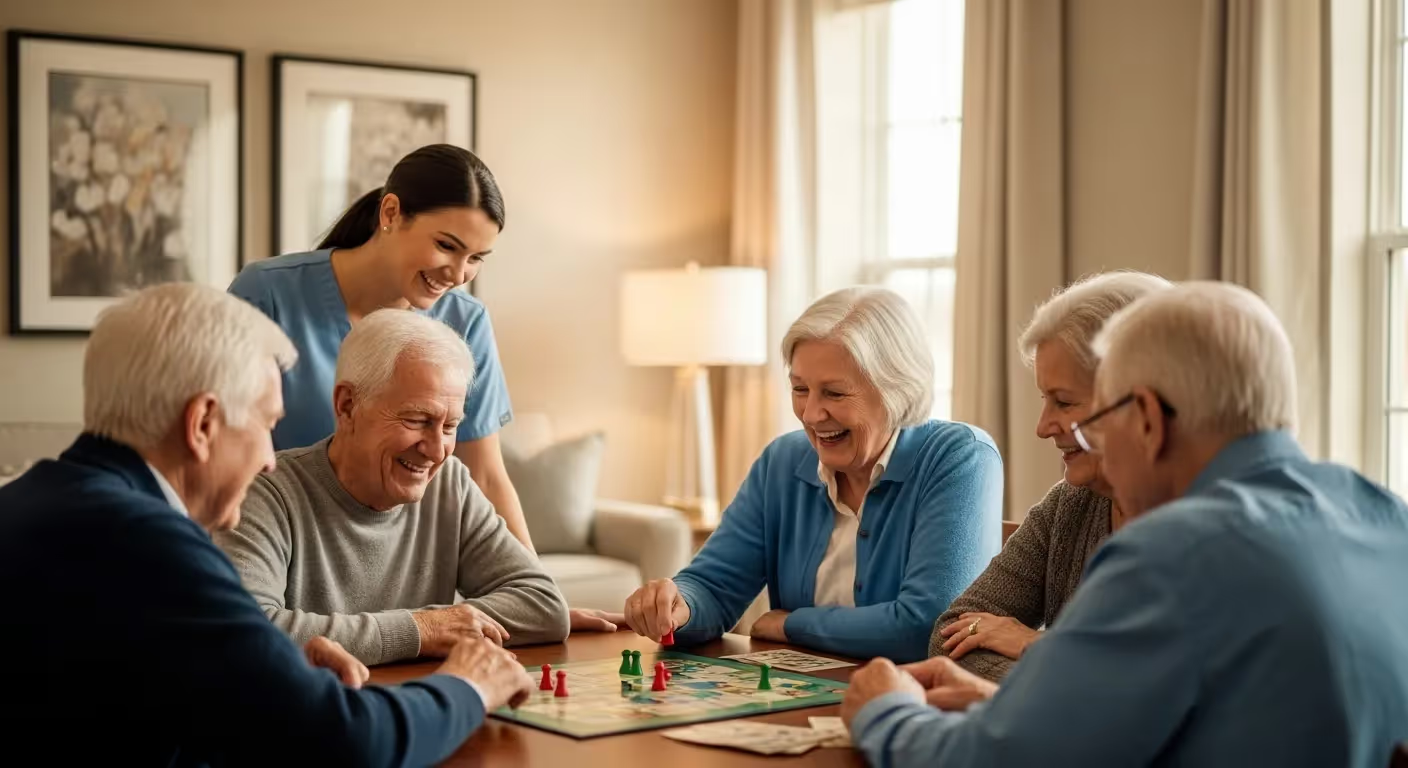
Residents frequently encourage one another to participate in:
- Meals
- Exercise classes
- Music therapy
- Games
- Social events
- Wellness programs
This gentle encouragement often helps residents remain more engaged throughout the day, leading to increased activity and social interaction.
4. Provides Comfort During Evening Hours
Many people living with dementia experience increased confusion or anxiety later in the day, sometimes referred to as "sundowning."
While a companion suite is not a treatment for sundowning, having another person nearby may provide reassurance that helps some residents feel calmer and more secure during the evening.
5. Creates Opportunities for Friendship
One of the most rewarding aspects of companion suites is the friendships that often develop.
Residents may:
- Eat meals together
- Attend activities together
- Walk together
- Celebrate birthdays
- Encourage one another throughout the day
These shared experiences help foster a stronger sense of community and belonging.
6. Supports Emotional Well-Being
Meaningful social interaction remains an important part of dementia care.
Residents living in companion suites often experience more opportunities for everyday conversation, shared routines, and positive interactions that contribute to emotional wellness and quality of life.
How Memory Care Communities Match Roommates
One of the biggest misconceptions is that roommates are assigned randomly.
Experienced memory care communities carefully consider many factors before pairing residents, including:
- Personality
- Interests and hobbies
- Daily routines
- Sleep schedules
- Cognitive abilities
- Mobility
- Communication style
- Behavioral history
- Level of care needed
The goal is to create a comfortable living environment where both residents feel safe, respected, and supported.
Care teams continue monitoring roommate relationships and make adjustments if either resident's needs change over time.
A Real-Life Example
Imagine Mary, who recently moved into memory care after living alone for several years.
During her first week, she preferred staying in her room and rarely participated in activities. After being paired with a companion who enjoyed music and puzzles, staff noticed Mary smiling more, joining group activities, and looking forward to meals together.
While every resident's experience is unique, stories like Mary's illustrate how companionship can help make the transition into memory care feel less overwhelming.
Is a Companion Suite Right for Everyone?
Not always.
Some residents may benefit more from a private suite, particularly if they:
- Become easily overstimulated
- Have significant sleep disturbances
- Require frequent nighttime care
- Need additional privacy for medical reasons
- Display behaviors that make sharing a room challenging
The best memory care communities take time to understand each resident's unique needs before recommending a room option.
Frequently Asked Questions About Companion Suites
Will my loved one still have privacy?
Yes. Each resident has their own bed, designated storage space, and personal area. Many communities also use thoughtful room layouts or dividers to provide additional privacy while maintaining companionship.
How are roommates chosen?
Memory care teams carefully match residents based on personality, routines, interests, communication style, sleep habits, and care needs. The goal is to create a comfortable and successful living arrangement for both individuals.
What if my loved one doesn't get along with their roommate?
Care teams regularly monitor roommate relationships. If a pairing isn't working well, the community will work to find a better match whenever possible.
Can companion suites help reduce loneliness?
For many residents, yes.
Having someone nearby often provides companionship, conversation, and reassurance that can help reduce feelings of isolation and encourage greater social engagement.
Will sharing a room make my loved one more confused?
Every resident is different.
Many residents actually benefit from having another familiar face nearby, while others may do better in a private suite. Care teams continually evaluate what environment best supports each resident.
Can families help choose a roommate?
Families are encouraged to share information about their loved one's personality, routines, interests, and preferences. This information helps staff make thoughtful roommate matches.
Can married couples share a companion suite?
Many memory care communities offer accommodations for spouses when appropriate. Availability varies, so it's best to discuss room options directly with the community.
Are companion suites less expensive?
In many communities, companion suites are a more affordable option than private suites while providing the same exceptional care, dining, life enrichment programming, and clinical support.
Can we request a private suite later?
Often, yes.
If your loved one's needs or preferences change, many communities will work with families to explore available private room options.
Discover Whether a Companion Suite Is Right for Your Loved One
Every person living with Alzheimer's disease or another form of dementia has unique needs, preferences, and routines.
While some residents thrive in a private suite, many find comfort, reassurance, and meaningful companionship in a thoughtfully matched companion room.
The best way to determine the right fit is by touring a memory care community, meeting the care team, and discussing your loved one's individual needs. Together, you can create a living environment where they feel safe, supported, connected, and empowered to enjoy each day.
Explore ONELIFE Communities Near You
ONELIFE Senior Living is proud to serve families in multiple regions, offering exceptional care and support tailored to each resident’s needs. In Springfield, Oregon, The Esther at Riverbend Assisted Living provides personalized assisted living services, while The Rawlin at Riverbend Memory Care specializes in compassionate Alzheimer’s and dementia care. Families in Salem can find trusted support at Battle Creek Memory Care, and those in Beaverton benefit from the warm, secure environment at Waterhouse Ridge Memory Care.
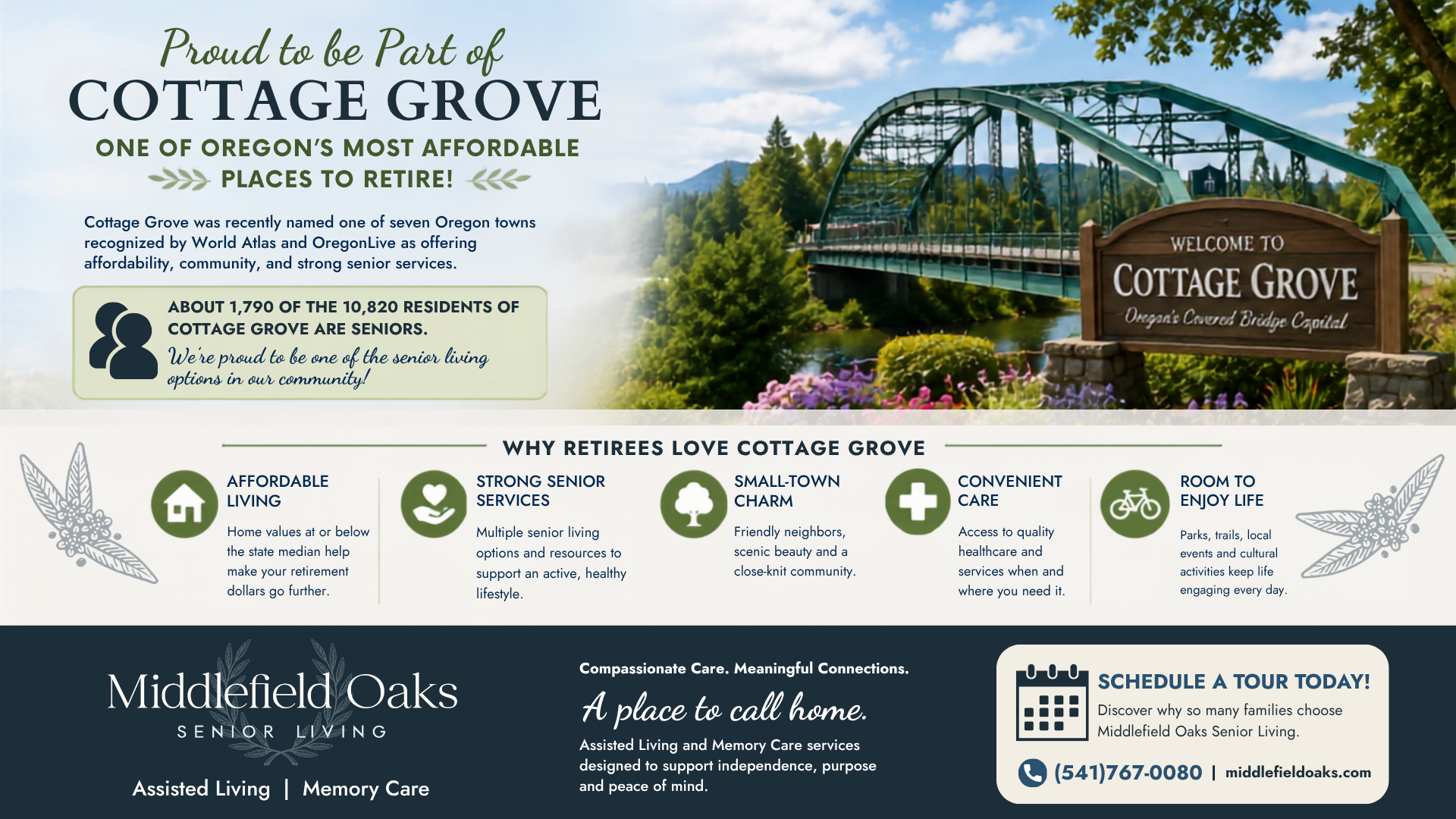
For families in Nevada, Vineyard Henderson Memory Care offers expert dementia care in the heart of Henderson, while in California, The Reserve at Fountaingrove Memory Care provides high-quality memory support in Santa Rosa, and The Woodlake Senior Living serves Sacramento with a full spectrum of senior living options. In Cottage Grove, Oregon, Middlefield Oaks Senior Living combines independence and care, while in the Midwest, The Laurel at Vernon Hills Memory Care stands as a dedicated resource for families in Vernon Hills, Illinois. Finally, in Phoenix, Arizona, Shadow Mountain Memory Care delivers compassionate, all-inclusive memory care in a safe and engaging setting.
No matter which location you choose, every ONELIFE community is united by the same mission: providing exceptional care, meaningful activities, and a true sense of family for residents and loved ones.
Contact us
learn more about our
community

More Articles & Resources


EXPLORE THE ONELIFE COMMUNITIES