When a loved one is living with Alzheimer’s or another form of dementia, ensuring their safety becomes a top concern. Families often begin searching for "secure memory care units for seniors with dementia" when home care is no longer sustainable—or when wandering, confusion, or behavioral changes put a loved one at risk.
In this blog, we’ll explore what secure memory care truly means, how it protects and supports seniors, and what you should look for when evaluating communities.
What Is a Secure Memory Care Unit?
A secure memory care unit is a specially designed environment within a memory care community that prioritizes both safety and comfort for individuals with cognitive impairment. These units provide:
- 24/7 supervision by dementia-trained staff
- Locked or alarmed doors to prevent wandering
- Thoughtfully designed layouts to reduce confusion and agitation
- Therapeutic programs tailored for different stages of dementia
- Caring environments that foster dignity and purpose
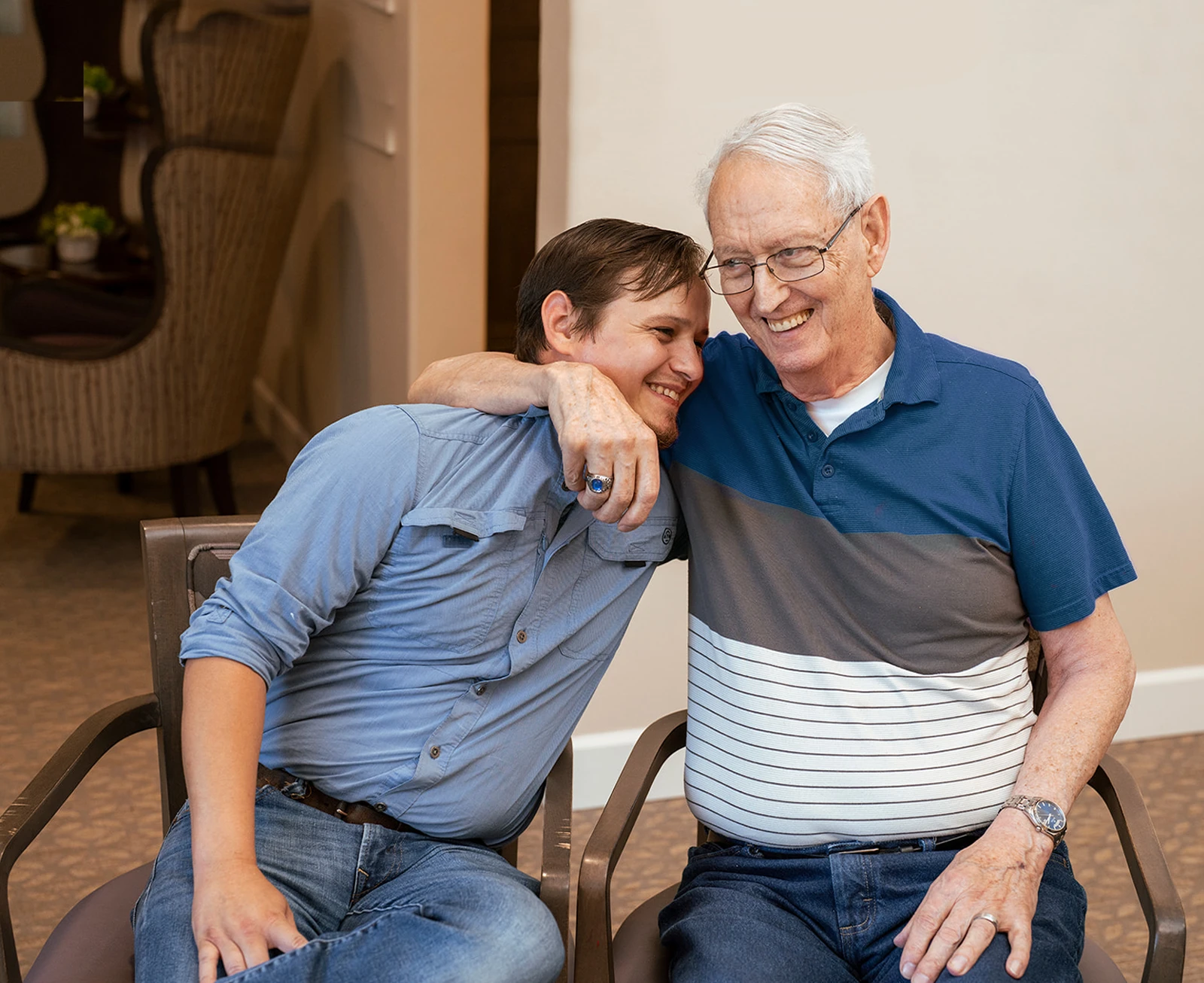
Security doesn't mean restriction. The best communities strike a balance between safety and independence, offering structured freedom within a nurturing, protected space.
Why Secure Units Are So Important for Seniors With Dementia
As dementia progresses, risks such as wandering, falling, or accidental harm increase significantly. Secure memory care units reduce these risks in ways that home environments—even with full-time care—often can’t.
These communities are equipped to:
- Prevent unsafe elopement (leaving the building unnoticed)
- Monitor physical and behavioral health changes in real time
- Provide immediate support during emotional or cognitive episodes
- Reduce anxiety by maintaining consistent routines and visual cues
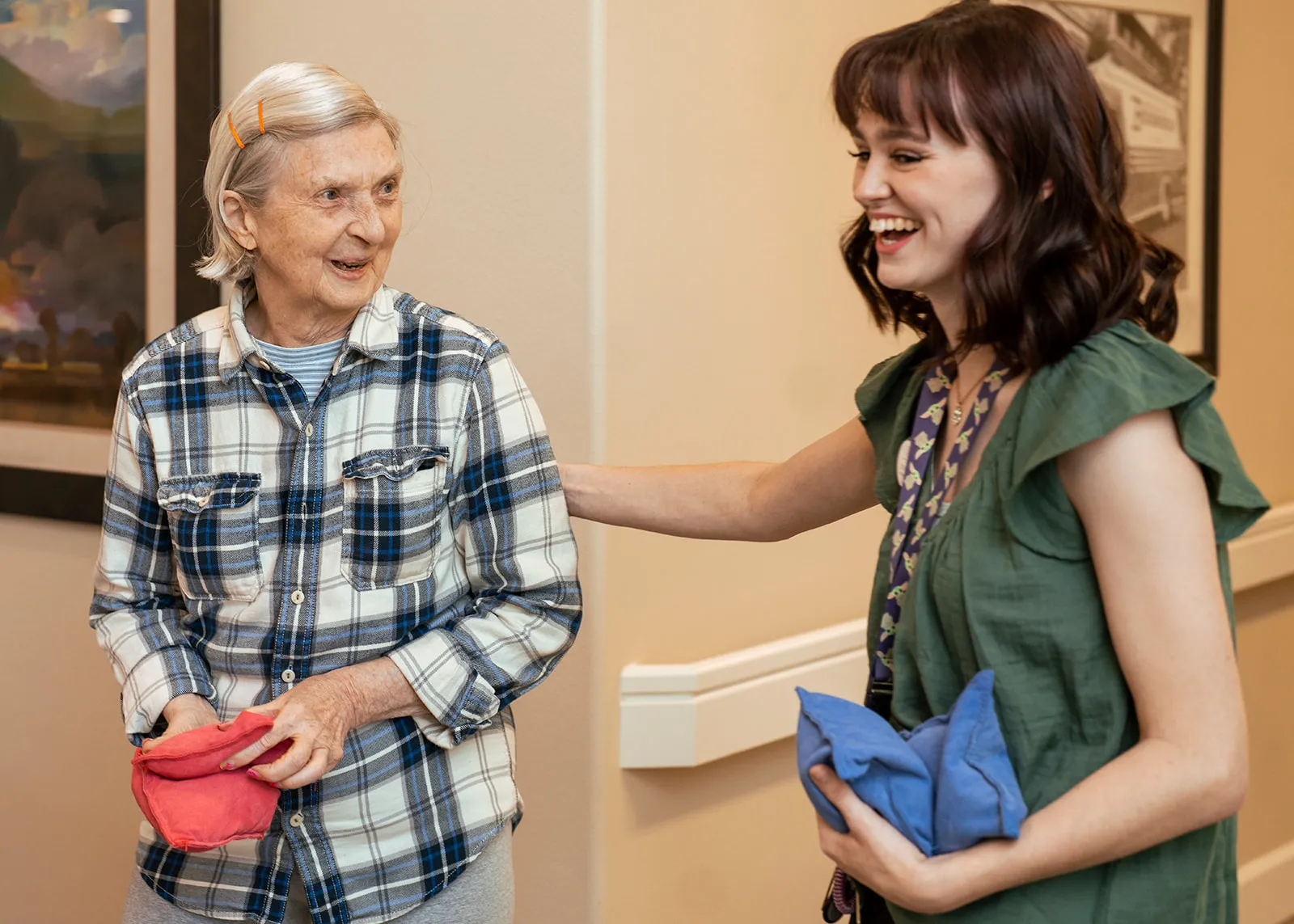
- Keep residents engaged in safe, structured activities
For families, knowing their loved one is in a safe, secure, and purposefully designed environment brings priceless peace of mind.
Key Features of a High-Quality Secure Memory Care Unit
When touring communities or researching options, here’s what to look for:
1. Environmental Design
- Color-coded hallways, lighting, and furniture for easier navigation
- Secured gardens or patios for supervised outdoor access
- Enclosed walking paths that allow safe movement
2. Safety Measures
- Door alarms and wander prevention systems
- Emergency response protocols
- Accessible bathrooms and non-slip flooring
3. Trained Staff
- Specialized training in dementia behavior and de-escalation
- 24/7 presence, including overnight care teams
- Familiarity with each resident’s medical history and preferences
4. Engagement & Structure
- Daily routines to provide consistency and reduce agitation
- Cognitive stimulation like music, art, puzzles, and movement
- Opportunities for socialization, even in small groups
You can explore more about the differences between memory care and assisted living to understand which level of support is best.
Choosing the Right Time for Secure Memory Care
Families often wait longer than they should to transition a loved one into memory care. Some signs it may be time:
- Your loved one is wandering, even in familiar places
- They’re forgetting how to use appliances or lock doors
- There are frequent emotional outbursts or confusion
- Their personal hygiene or nutrition has declined
- You're experiencing caregiver burnout or stress
Read more on when to transition from general care to memory care.
Cost, Access, and Support
Secure memory care may have a higher cost due to increased staffing and safety infrastructure. Learn about how to pay for memory care, including long-term care insurance, VA benefits, and private pay options.
And if you're not quite ready for a permanent move, short-term or respite care can be a valuable interim option.
We’re Here When You’re Ready
Making decisions about memory care isn’t easy—but you don’t have to do it alone. If you're exploring specialized dementia care facilities and still have questions, our team is here to help. Whether you're looking for guidance, want to tour a local community, or simply need someone to talk through the options with, we’re honored to be a trusted resource on this journey. Reach out today—we’re ready to listen, support, and help you take the next step with confidence.
Frequently Asked Questions (FAQ)
Q: What’s the difference between a secure memory care unit and a regular memory care community?
A: All memory care communities support cognitive impairments, but secure units add enhanced safety features like locked access points, monitoring technology, and purpose-built layouts. They're ideal for individuals prone to wandering or with moderate to advanced dementia.
Learn more about memory care vs. dementia care.
Q: Can secure memory care still feel like home?
A: Yes. Leading communities focus on warm, residential design, not institutional feel. Rooms are often personalized, common spaces are cozy, and staff build relationships with residents. The environment is calming, not confining.
Q: What’s included in a secure memory care unit?
A: Typical services include:
- 24/7 supervision
- Medication management
- Assistance with daily living (dressing, eating, bathing)
- Memory-focused activities and therapies
- Nutritious meals and housekeeping
Explore the early signs of dementia to know when it might be time to seek these services.
Q: Can family still visit or be involved?
A: Absolutely. Families are encouraged to visit, join activities, attend care meetings, and stay informed. Many communities also offer support groups and resources for caregivers. Here’s how ONELIFE communities support caregivers.
Q: Are there activities in secure units?
A: Yes. Daily activities may include:
- Music therapy and reminiscence programs
- Art projects and tactile crafts
- Chair yoga or guided movement
- Social meals and themed days
- Brain-stimulating activities
Routine and familiarity help reduce anxiety and encourage connection.
Q: Can secure care be short-term?
A: Yes. Many communities offer short-term memory care stays or trial periods. These help families explore care options while getting needed support.
Q: How do I start the process?
A: Begin by learning more about what memory care really is, talk to your loved one’s doctor, and contact local communities to schedule a tour or consultation. You don’t need all the answers—just a willingness to ask.
Explore ONELIFE Communities Across the Country
ONELIFE Senior Living is proud to serve families in multiple regions, offering exceptional care and support tailored to each resident’s needs. In Springfield, Oregon, The Esther at Riverbend Assisted Living provides personalized assisted living services, while The Rawlin at Riverbend Memory Care specializes in compassionate Alzheimer’s and dementia care. Families in Salem can find trusted support at Battle Creek Memory Care, and those in Beaverton benefit from the warm, secure environment at Waterhouse Ridge Memory Care.
For families in Nevada, Vineyard Henderson Memory Care offers expert dementia care in the heart of Henderson, while in California, The Reserve at Fountaingrove Memory Care provides high-quality memory support in Santa Rosa, and The Woodlake Senior Living serves Sacramento with a full spectrum of senior living options. In Cottage Grove, Oregon, Middlefield Oaks Senior Living combines independence and care, while in the Midwest, The Laurel at Vernon Hills Memory Care stands as a dedicated resource for families in Vernon Hills, Illinois. Finally, in Phoenix, Arizona, Shadow Mountain Memory Care delivers compassionate, all-inclusive memory care in a safe and engaging setting.
No matter which location you choose, every ONELIFE community is united by the same mission: providing exceptional care, meaningful activities, and a true sense of family for residents and loved ones.