When a loved one begins showing signs of dementia, the emotional toll is matched only by the uncertainty around next steps. Many families begin their search with questions like: What kind of care will they need? How soon should we act? And where can we find specialized dementia care facilities that we trust?
This guide is designed to help you navigate the options, understand the benefits of specialized care, and know exactly what to look for when choosing the right setting for your loved one’s unique needs.
What Are Specialized Dementia Care Facilities?
Specialized dementia care facilities are residential communities dedicated to caring for individuals with Alzheimer’s disease, Lewy body dementia, frontotemporal dementia, and other types of memory-related conditions. These facilities differ from general senior living or assisted living by providing:
- 24/7 dementia-trained staff
- Structured daily routines
- Secure environments with sensory cues
- Tailored programming for cognitive and emotional support
- Personalized care plans based on stage and diagnosis
Learn more about the key differences between memory care and assisted living.
Why Choose a Specialized Facility vs. General Senior Living?
While many assisted living communities offer some memory support, dedicated memory care communities go further with dementia-specific training, routines, and therapies.
Understanding the stages of dementia can also help determine the best time for transition.
Key Benefits of Specialized Dementia Care
Families who transition loved ones into dementia-specific communities often report:
- Improved daily structure and behavior
- Better communication and responsiveness from trained staff
- Greater resident safety and fall prevention
- Enhanced engagement through tailored programs
- Peace of mind knowing care evolves with changing needs
These facilities are designed with not just the resident in mind—but also the family.
Signs It May Be Time for Specialized Dementia Care
If you're noticing early signs of dementia, it’s essential to monitor changes. Consider transitioning to a memory care facility if your loved one is:
- Getting lost or confused frequently
- Exhibiting aggression, fear, or personality changes
- Struggling with daily hygiene and meals
- At risk of falling or wandering
- Becoming too much to manage safely at home
Here’s when to consider moving from general dementia care to a memory care facility.
What to Look for in a Specialized Dementia Care Facility
When you begin your search, prioritize these areas:
1. Staff Expertise
- Do caregivers receive ongoing dementia training?
- Is there a nurse or medical professional on site?
2. Security and Layout
- Are there alarmed exits or secured outdoor spaces?
- Is the design calm, simple, and easy to navigate?
3. Personalized Care Plans
- How are care needs assessed and updated?
- Are therapies or enrichment programs tailored by cognitive level?
4. Activities and Social Life
- Are there structured activities designed for memory loss?
- Do residents engage socially in small groups or one-on-one?
5. Family Communication
- How often does the staff provide updates?
- Are there care conferences or support groups available?
Touring a Dementia Care Facility: What to Ask
Bring a checklist with these important questions:
- What specific dementia training does your team complete?
- How are daily routines structured for residents?
- What is your staff-to-resident ratio during peak and off hours?
- How do you handle challenging behaviors or sundowning?
- Are families involved in care planning?
Don’t be afraid to observe staff interactions and speak to other families if possible.
Why Respite Care Can Be a Lifesaver
If you’re unsure about full-time placement, respite care offers short-term support while you explore long-term options. It’s also ideal for caregiver relief or hospital recovery transitions.
Cost Considerations
The cost of care varies. Learn how to pay for memory care, including long-term care insurance, VA benefits, and more.
You may also consider the benefits of locally developed, physician-owned senior living communities that often offer more personalized service.
Take the Next Step With Confidence
Searching for specialized dementia care facilities can feel overwhelming—but it’s also the first step toward creating a safer, more meaningful life for someone you love. When you focus on quality of care, safety, and engagement, you're setting the foundation for comfort, connection, and peace of mind.
We’re Here When You’re Ready
Making decisions about memory care isn’t easy—but you don’t have to do it alone. If you're exploring specialized dementia care facilities and still have questions, our team is here to help. Whether you're looking for guidance, want to tour a local community, or simply need someone to talk through the options with, we’re honored to be a trusted resource on this journey. Reach out today—we’re ready to listen, support, and help you take the next step with confidence.
Frequently Asked Questions (FAQ)
Q: What makes a dementia care facility “specialized”?
A: A specialized dementia care facility is designed specifically to meet the unique needs of individuals living with Alzheimer’s disease, dementia, or other cognitive impairments. These communities go beyond traditional assisted living by offering:
- A secure environment that prevents wandering and confusion
- Staff trained specifically in memory care and dementia-related behaviors
- Enrichment programs tailored to stimulate memory, reduce agitation, and promote dignity
- Low staff-to-resident ratios to allow for personalized attention
- Therapeutic approaches such as reminiscence therapy, music therapy, and sensory stimulation
This level of specialization ensures residents receive care that supports both physical safety and emotional well-being at every stage of memory decline.
Q: How do I know when it’s time to consider memory care?
A: It’s often time to consider memory care when your loved one’s needs exceed what can safely be managed at home or in a general senior living environment. Key signs include:
- Frequent wandering or getting lost, even in familiar settings
- Personality changes, increased agitation, or confusion
- Decline in hygiene or nutrition that puts health at risk
- Increased caregiver stress, burnout, or physical limitations
- Episodes of sundowning (late-day confusion and aggression)
- Safety concerns such as forgetting to turn off appliances, leaving doors open, or falling frequently
Early intervention with structured memory care can actually improve quality of life and slow cognitive decline in some cases.
Q: Is memory care the same as assisted living?
A: Not exactly—memory care is more specialized, offering advanced staff training, secure settings, and therapeutic programming. While both provide supportive living environments for older adults, they serve different needs. Assisted living helps seniors who need help with activities of daily living (ADLs) like bathing, medication reminders, and meals, but who remain largely independent. Memory care is specifically designed for those with cognitive impairments and includes:
- Specialized dementia care training for all staff
- Environmental design that reduces stress and confusion
- Therapeutic daily programming tailored to cognitive abilities
- 24/7 supervision with behavior management expertise
- More frequent health monitoring and care plan updates
If your loved one is beginning to show signs of Alzheimer’s or another form of dementia, memory care provides a more suitable, structured, and secure setting.
Q: How can families stay involved?
A: Reputable dementia care facilities strongly encourage family involvement and view it as a key element of successful resident care. Most communities offer:
- Regular care plan meetings and scheduled updates
- Family support groups and dementia education sessions
- Opportunities for social visits, meals, and participation in activities
- Access to secure communication platforms for daily or weekly updates
- Staff who actively seek input from family to personalize routines and preferences
Staying involved not only helps your loved one feel connected but also ensures continuity and trust in their care experience.
Q: What does a typical day look like in dementia care?
A: A typical day in a specialized dementia care facility is thoughtfully structured to provide comfort, reduce anxiety, and maintain routine—which is vital for those with memory loss. A day may include:
- Morning routines with gentle assistance for grooming and dressing
- Nutritious meals in a calm dining setting
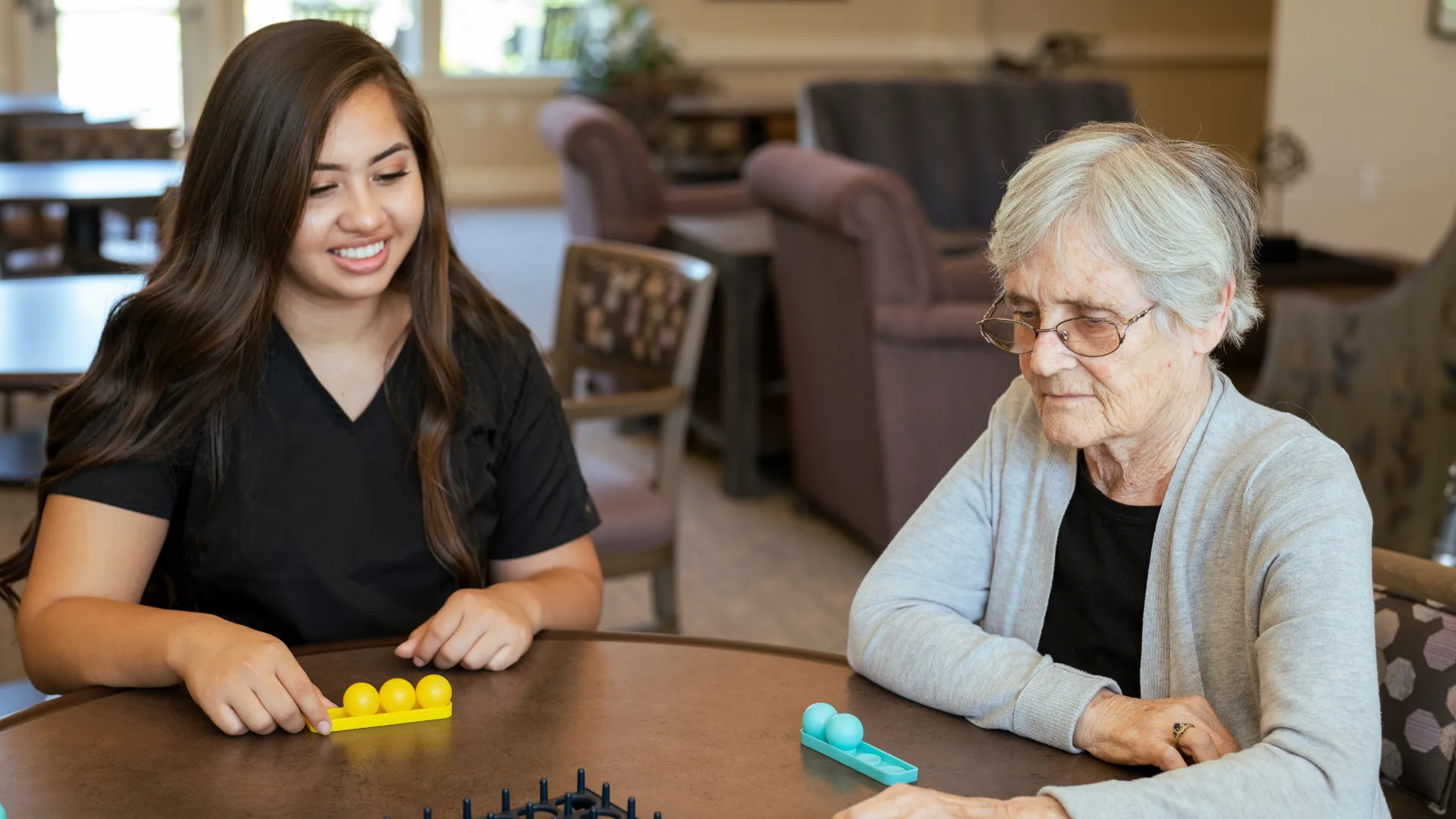
- Engagement activities like music, puzzles, light exercise, or art
- Rest periods or time in outdoor spaces for relaxation
- Afternoon programs like storytelling, gardening, or reminiscence groups
- Evening routines designed to minimize confusion and promote restful sleep
The rhythm of the day is guided by predictability, familiarity, and compassion, helping residents feel safe and oriented.
Explore ONELIFE Communities Across the Country
ONELIFE Senior Living is proud to serve families in multiple regions, offering exceptional care and support tailored to each resident’s needs. In Springfield, Oregon, The Esther at Riverbend Assisted Living provides personalized assisted living services, while The Rawlin at Riverbend Memory Care specializes in compassionate Alzheimer’s and dementia care. Families in Salem can find trusted support at Battle Creek Memory Care, and those in Beaverton benefit from the warm, secure environment at Waterhouse Ridge Memory Care.
For families in Nevada, Vineyard Henderson Memory Care offers expert dementia care in the heart of Henderson, while in California, The Reserve at Fountaingrove Memory Care provides high-quality memory support in Santa Rosa, and The Woodlake Senior Living serves Sacramento with a full spectrum of senior living options. In Cottage Grove, Oregon, Middlefield Oaks Senior Living combines independence and care, while in the Midwest, The Laurel at Vernon Hills Memory Care stands as a dedicated resource for families in Vernon Hills, Illinois. Finally, in Phoenix, Arizona, Shadow Mountain Memory Care delivers compassionate, all-inclusive memory care in a safe and engaging setting.
No matter which location you choose, every ONELIFE community is united by the same mission: providing exceptional care, meaningful activities, and a true sense of family for residents and loved ones.